
Skip to content
Partner with us

area of work

Protection and GBV

We prevent gender-based violence and work to ensure that survivors receive safe, confidential, quality support.

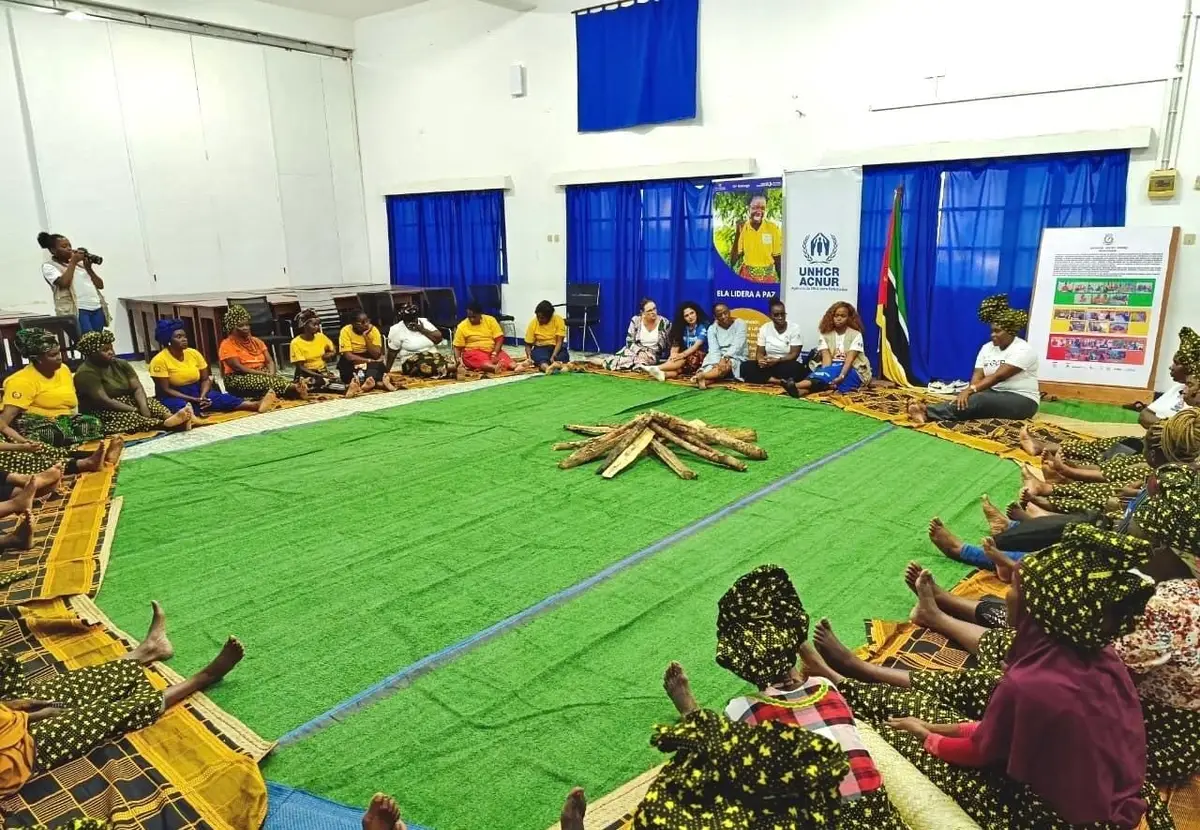
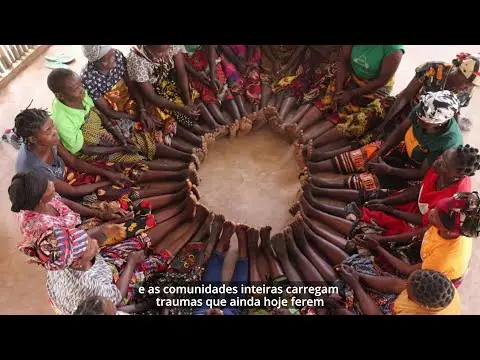
Dialogue circle in a safe space in Pemba, seen from a distance
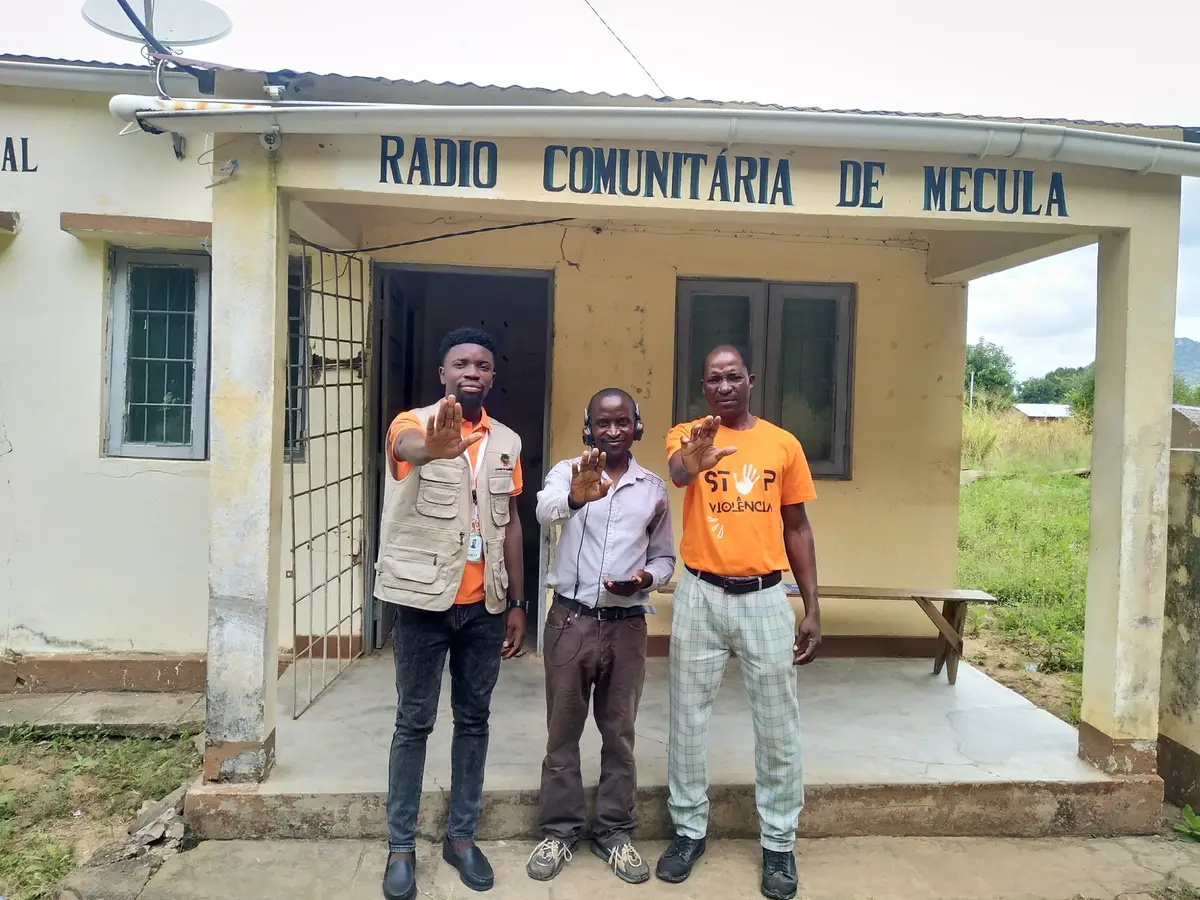
A GCR staff member and two radio staff make the “stop” sign outside Mecula Community Radio
Mecula · May 2025

the challenge

72%

of GBV incidents with a known location happened at home (GCR case data, 2025)

Violence happens mostly at home

In northern Mozambique, armed conflict and displacement have increased the risks of gender-based violence and sexual exploitation. In Cabo Delgado, insecurity and a lack of infrastructure limit survivors' access to health, justice and social welfare services.

GCR's own case data shows where and when the risk is highest. In 2025, 72% of incidents with a known location happened at home, and more than half of all cases were reported between June and August. GCR uses these findings to decide when to scale up its teams and where to focus prevention.

our response

From prevention to case closure

GCR works across all three stages of protection and links them together. Prevention activities and safe spaces are often the first place a survivor seeks help; confidential screening and help desks bring hidden cases into services; case management ensures that every survivor receives care.

Case management follows GBVIMS+ standards and a documented six-step model: introduction and engagement, assessment, case action planning, implementation, follow-up and closure. At each step, the caseworker assesses safety, explains confidentiality and its limits, and obtains informed consent before any referral is made. The internal standard is one case worker to 25 survivors, with a weekly case conference for high-risk cases.

Prevention involves men and boys, traditional and religious leaders, teachers and mentors. The Tolerância Zero (Zero Tolerance) model, developed in Manica, combines girls' mentoring and male engagement; the Strategic Plan 2026–2030 plans to replicate it in the northern provinces.

  1. 01

    Prevent in the community

    Awareness sessions, community campaigns, girls' mentoring and men's groups on positive masculinity, with community leaders as the entry point.

  2. 02

    Identify safely

    Safe spaces for women and girls, confidential GBV screening and community help desks, where a case can be reported without exposure.

  3. 03

    Manage the case

    A case action plan agreed with the survivor, psychosocial support and psychological first aid. Where insecurity cuts off access, follow-up is done by phone or by mobile teams.

  4. 04

    Refer and follow up

    Referral to health facilities, psychosocial support, the police Family and Children Victims of Violence units (GAFMVV), the District Services of Health, Women and Social Action (SDSMAS) and IPAJ (legal aid). Each referral is tracked until the survivor has received the service.

  5. 05

    Close and learn

    The case is closed when the survivor is safe. The data, recorded in ActivityInfo and analysed in Power BI, guide the next round of prevention.

results

Results achieved

68,444

people reached with GBV prevention and response in Mueda, Palma and Mocímboa da Praia

2025

1,461

GBV and protection cases followed up

Jan–Sep 2026

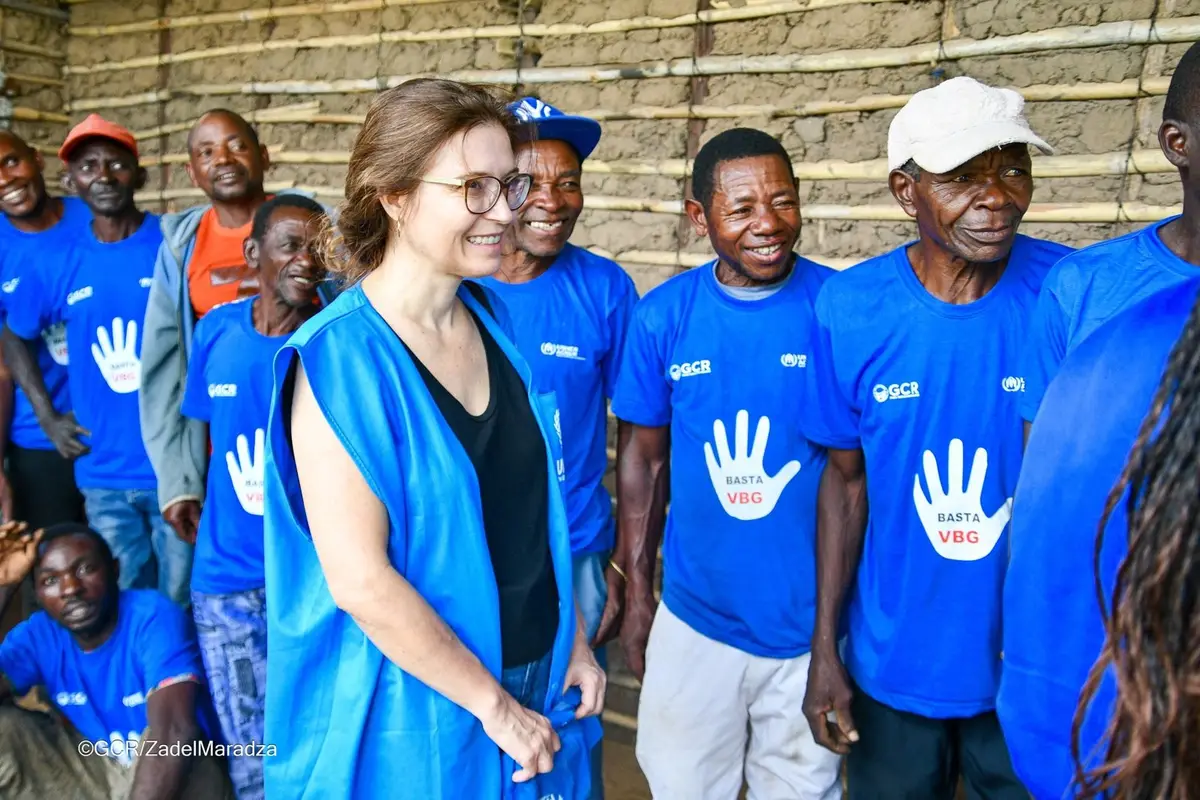
Group of men in 'Basta VBG' (Stop GBV) T-shirts meeting a UNHCR visitor

from the field

Mueda: what changed in the safe spaces and the men's groups

In June 2025, a UNHCR protection delegation visited GCR's project sites in Mueda. It observed activities in the safe spaces for women and girls and spoke with the community men's and women's groups supported by the project.

The participants spoke of the value of the safe space for their well-being, for access to information and for emotional support. The men described changes in their behaviour after the sessions on positive masculinity, reproductive health and GBV prevention.
Mueda, Cabo Delgado

Mueda, Cabo Delgado · June 2025 · Photo: GCR/ZadelMaradza

projects and presence

What we have done and what we do

  • Cabo DelgadoAncuabe, Chiúre, Macomia, Mecúfi, Mocímboa da Praia, Montepuez, Mueda, Muidumbe, Nangade, Pemba
  • NampulaEráti, Meconta, Moma, Nacarôa
  • NiassaCuamba, Marrupa, Mecula
  • Manica (head office)Chimoio, Gondola, Guro, Machaze, Macossa, Manica, Mossurize, Sussundenga, Tambara, Vanduzi
  • SofalaBeira, Búzi, Dondo, Gorongosa, Nhamatanda
  1. ongoing2026

    GBV prevention and response (Protection and Solutions Programme for Northern Mozambique)

    UNHCR, through AVSI (consortium with Humanity & Inclusion and ActionAid)

    8 districts of Cabo Delgado

    In August 2026, three awareness sessions in Chai (Macomia) brought together 110 women, and a desk was set up for reporting GBV and protection cases.

  2. ongoing2024–2026

    ResiNorte

    UNFPA, with funding from the European Union and Finland

    Mocímboa da Praia and Nangade (Cabo Delgado); Marrupa, Mecula, Cuamba and Lichinga (Niassa)

    By December 2025: 2,023 women and girls in safe spaces and 1,014 people assisted by protection services.

  3. ongoing2024–2028

    Tolerância Zero

    UNFPA, with funding from the European Union

    Tambara, Macossa, Mossurize, Machaze, Gondola and Chimoio (Manica)

    By December 2025, girls' mentoring had reached 122% of the target of 9,000 and male engagement 101% of the target of 9,000.

  4. completedJan–Dec 2025

    GBV prevention and response

    UNHCR (direct)

    Mueda, Palma and Mocímboa da Praia (Cabo Delgado)

    In September and October 2025: 115 community campaigns reaching 3,813 people, and 835 men in male-engagement sessions.

from the field

From conflict to recovery: stories of strength and healing

GBV prevention and response project with UNHCR.

Captions (CC) in the player, where available.

More videos from this area (3)
GCR voices from the field

Turn on subtitles (CC) in the player, where available. The video only loads from YouTube when you play it.

gallery

In the field

A GCR staff member and two radio staff make the “stop” sign outside Mecula Community Radio
Mecula · May 2025 · Photo: GCR
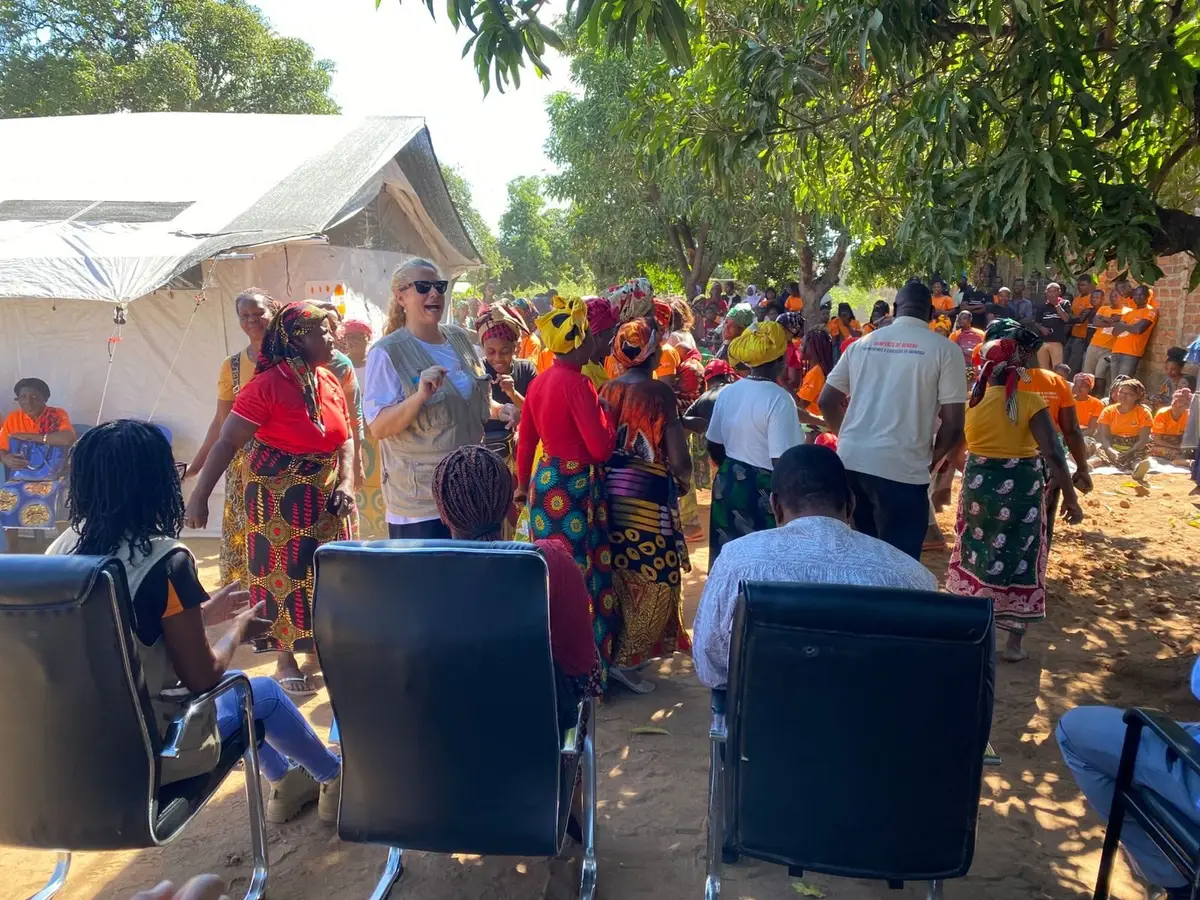
Women sitting in a circle in a safe space, seen from behind and at a distance
Pemba, Cabo Delgado · March 2026 · Photo: GCR
Audience seated at the entrance of a new safe space for women and girls on its opening day
Cuamba, Niassa · 2025 · Photo: GCR
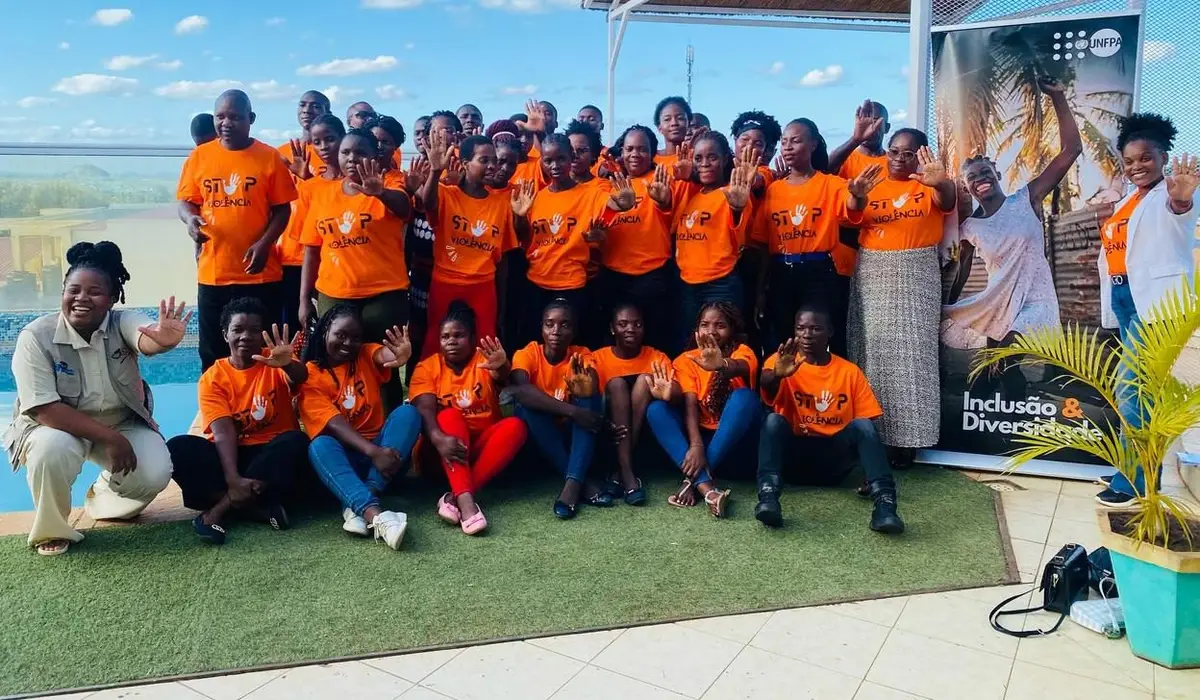
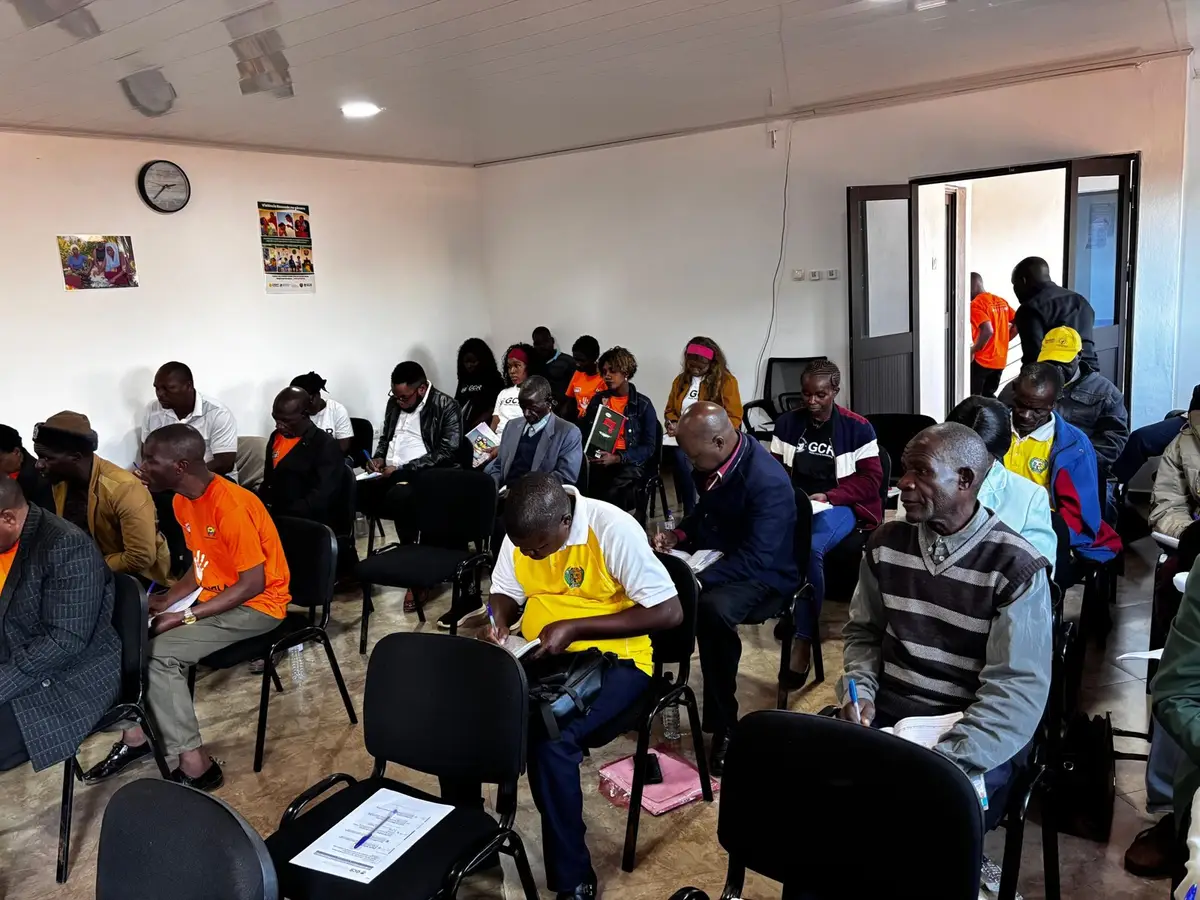
Mentors in orange T-shirts at the end of a GBV training
Tolerância Zero programme · April 2025 · Photo: GCR
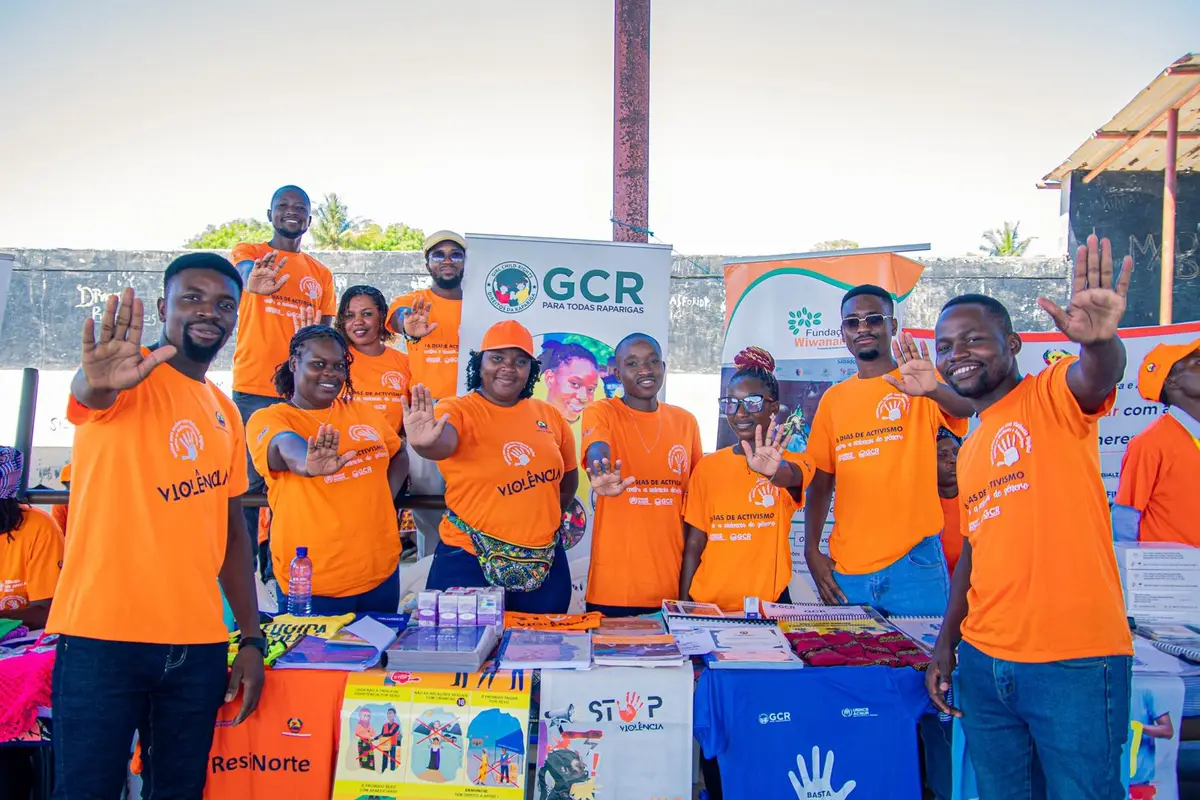
GCR staff and activists in orange T-shirts make the 'basta' (enough) gesture
Launch of the 16 Days of Activism · November 2025 · Photo: GCR/ZadelMaradza
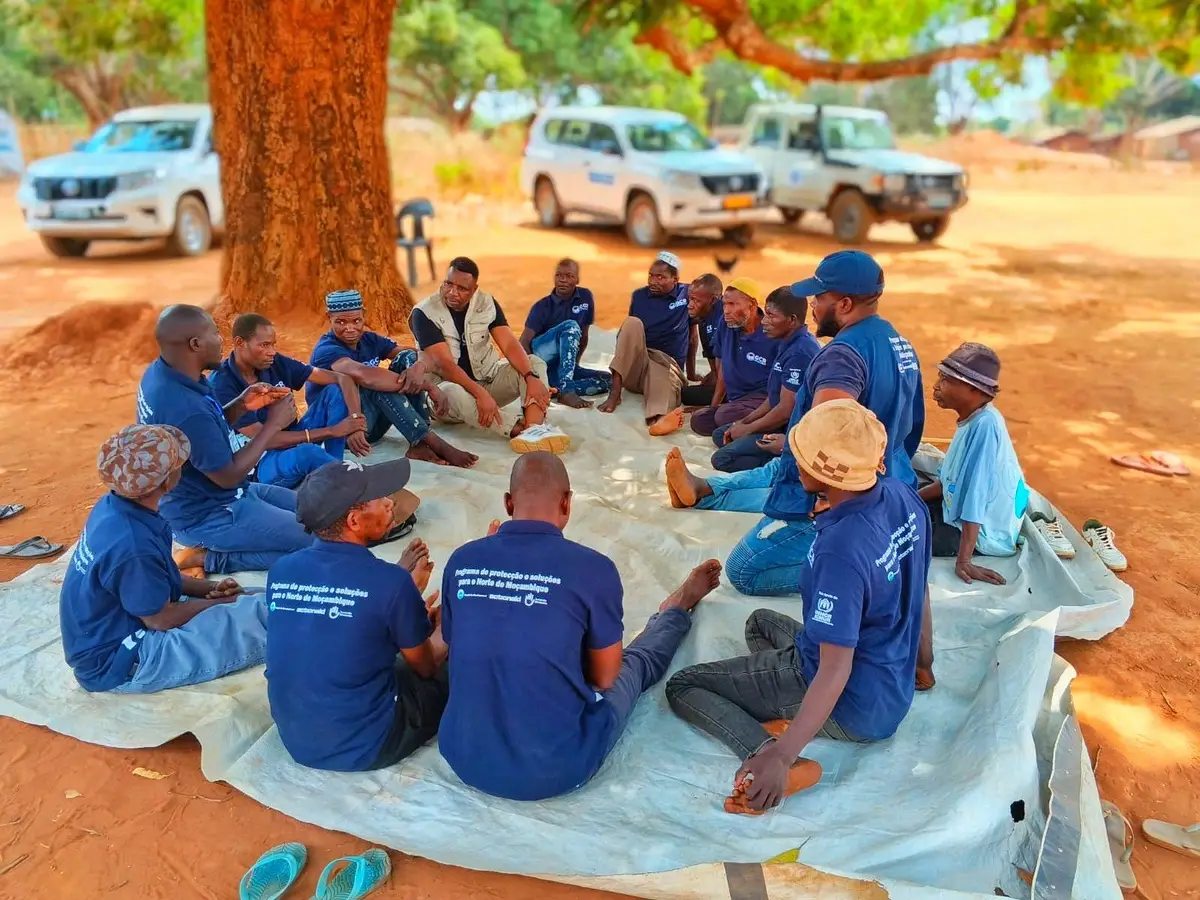
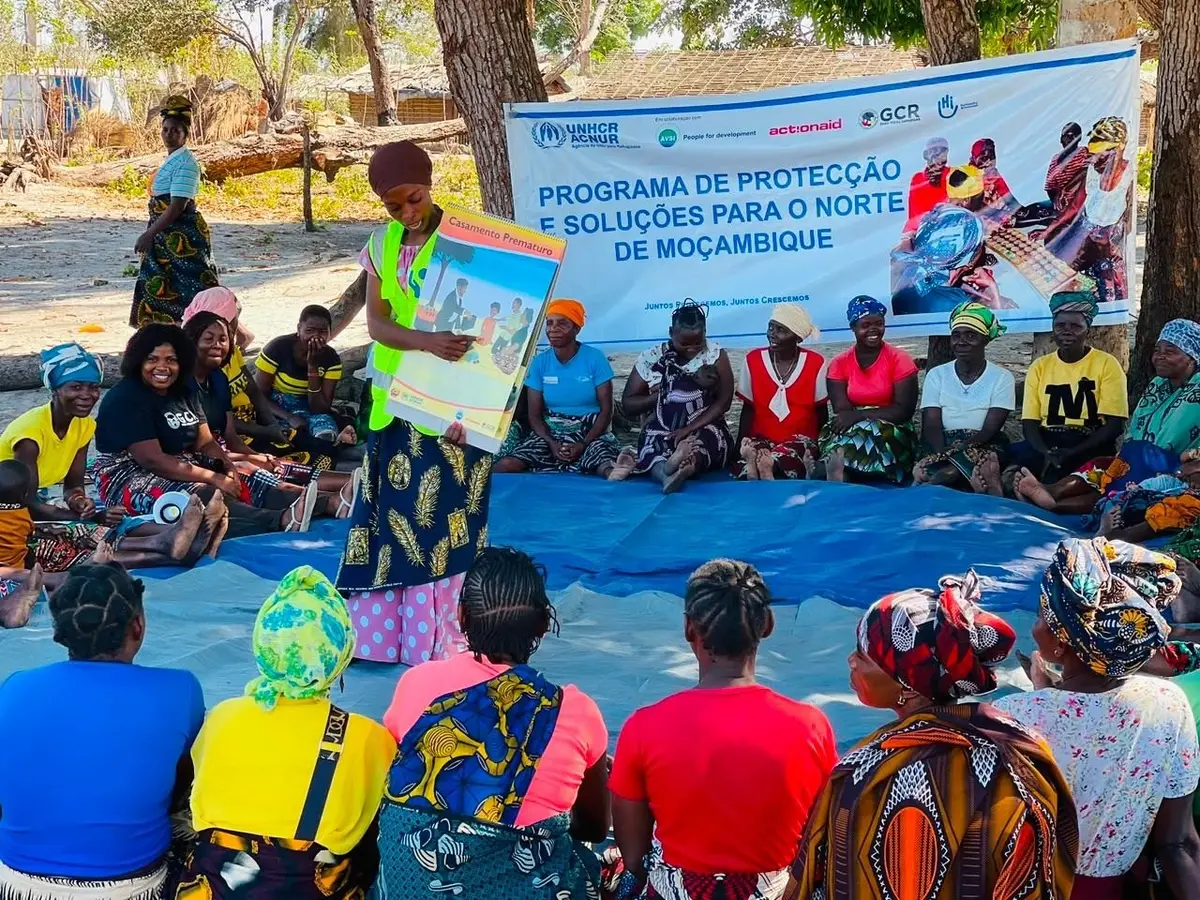
Men's group seated in a circle on a tarpaulin under a tree
Nanjua, Ancuabe · September 2026 · Photo: GCR

work with us

Support our work in protection and GBV

Funders, agencies and technical partners: talk to the team about projects, data and due diligence in this area.

Contact us