
Mission
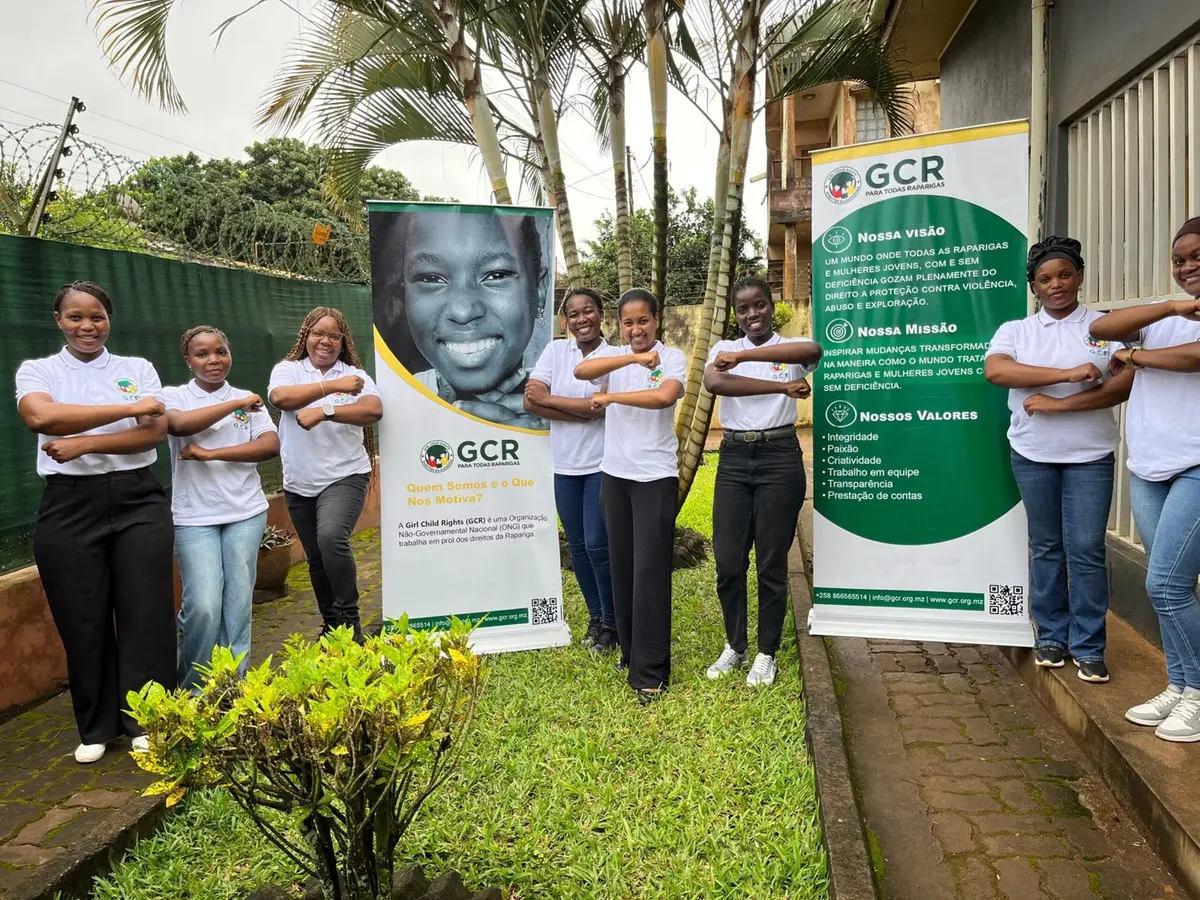
To inspire transformative change in the way the world treats girls and women with and without disabilities.
who we are
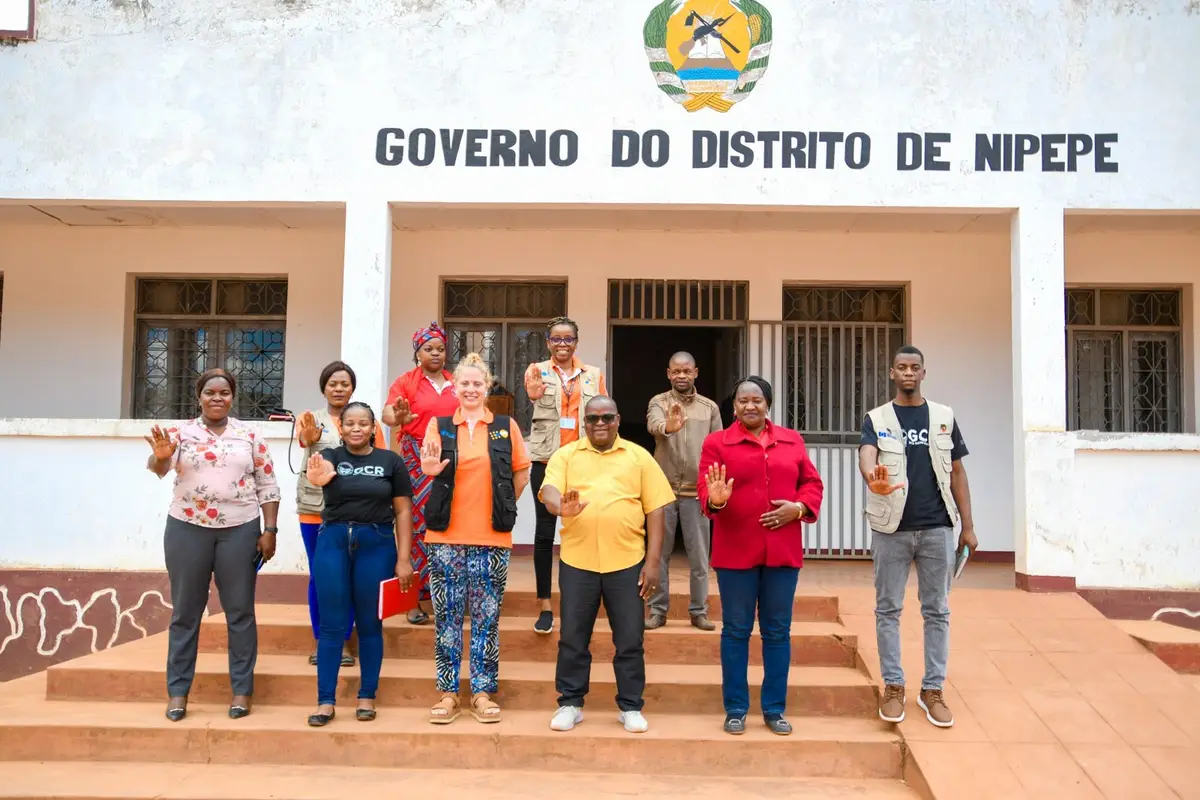
A Mozambican organization rooted in community, driven by evidence, and committed to the protection and dignity of every woman and girl, in every corner of this country.
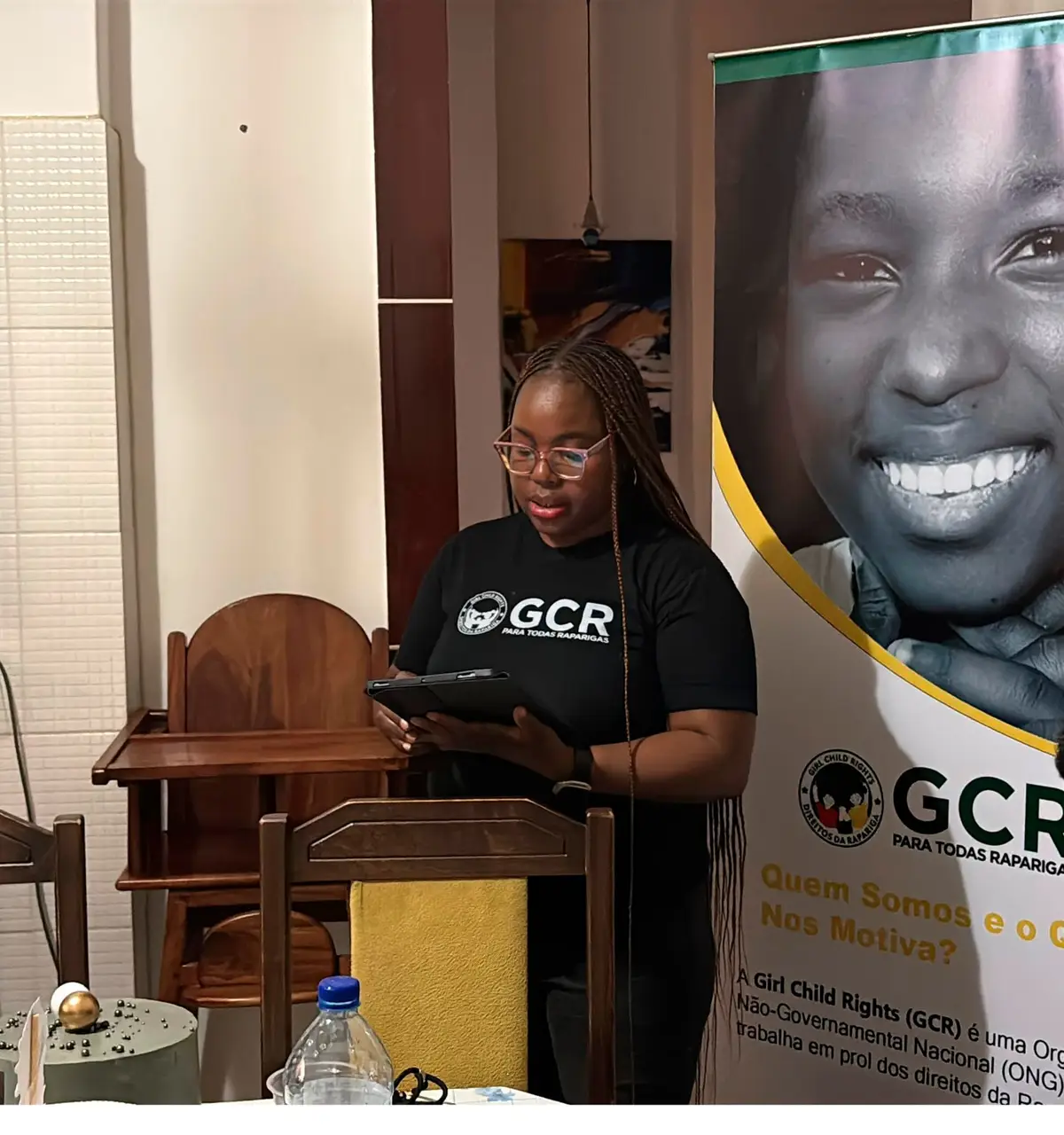
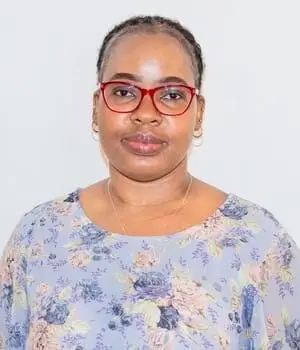 Luisa Netsai Sekaimweshe
Girl Child Rights (GCR), known as GCR Para Todas as Raparigas, is a Mozambican civil society organisation dedicated to the protection, empowerment and rights of women, girls and vulnerable populations in crisis and recovery settings.
It is based in Chimoio, Manica, and also works in Cabo Delgado, Nampula, Niassa and Sofala. It works with United Nations agencies, national and international organisations, the private sector and government institutions.
It is the National Convener of the Mozambique Local Humanitarian Coordination Platform (MLHCP) and hosts its Secretariat.
what drives us
Mission
To inspire transformative change in the way the world treats girls and women with and without disabilities.
Vision
A world where all girls and women with and without disabilities enjoy the right to protection from violence, abuse and exploitation.
our history
2008
A group of citizens of Chimoio founds the Girl Child Rights association to protect girls in the communities where their rights are most violated and to defend their freedom of choice, expression and movement. On 31 July, the Government of Manica Province grants it legal personality.
2014
With the Community Development Foundation (FDC) and Global Fund financing, GCR begins working on HIV prevention and support for people on treatment in Manica province. The partnership with the Global Fund continues today, later through Pathfinder, CCS and ICRH.
2015
As ADPP's partner in the USAID-funded Nikhalamo project (2015–2018), GCR works in primary and secondary schools in Namacurra district so that vulnerable girls enrol, stay in school and complete their studies.
2019
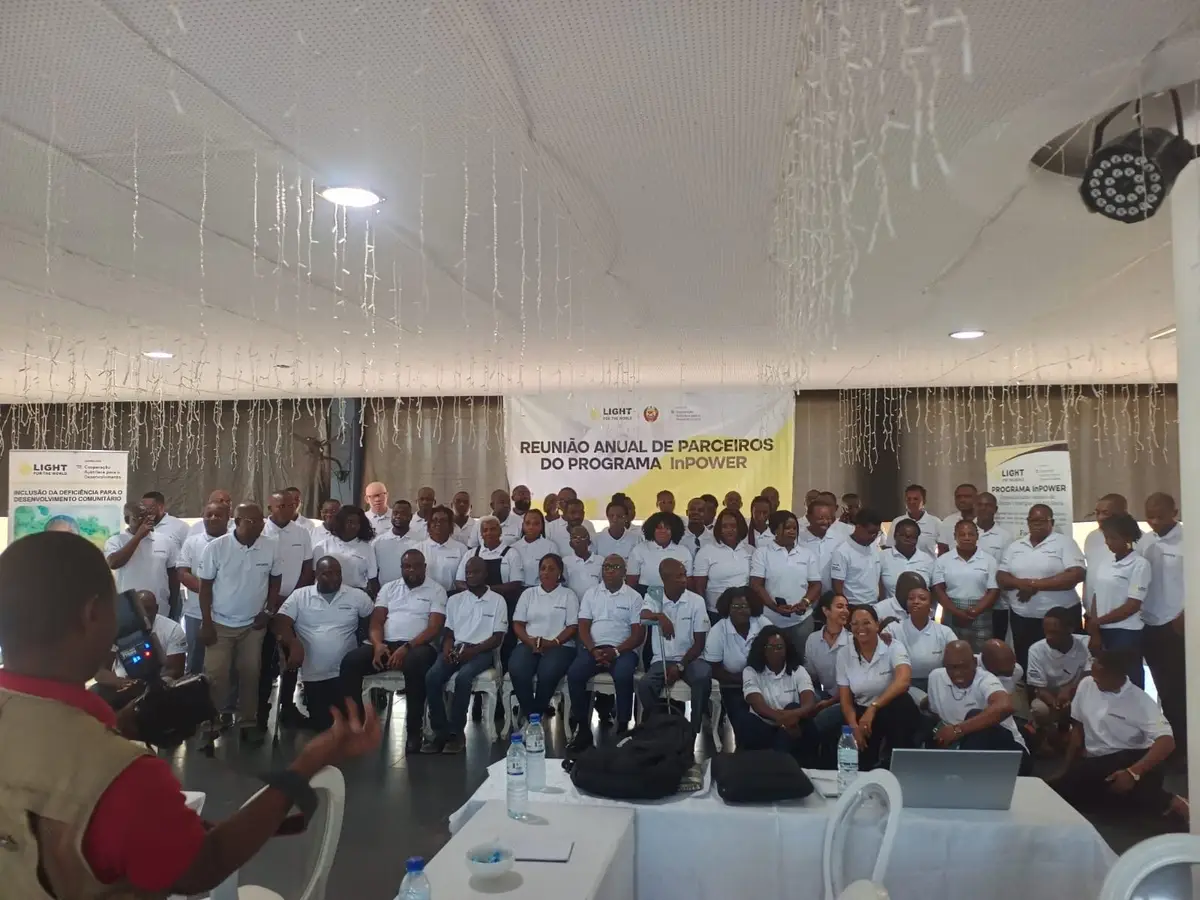
With Save the Children and funding from Norway (Norad), the Leave No Child Behind programme begins in Manica province (2019–2023). The same year, with Light for the World and the Austrian Development Agency, GCR begins supporting organisations of persons with disabilities in Sofala to promote gender equality.
2020
With Save the Children, GCR decentralises Mozambique's free national child helpline, Linha Fala Criança, to central Mozambique and runs it from Manica, with remote and field case management. That year GCR also begins its partnership with Grassroot Soccer, which brings the football-based SKILLZ method to Manica.
2021
With Light for the World and the Austrian Development Agency, GCR begins working in Metuge and Chiúre, districts affected by the armed conflict, so that humanitarian response also reaches women and girls with disabilities.
2023
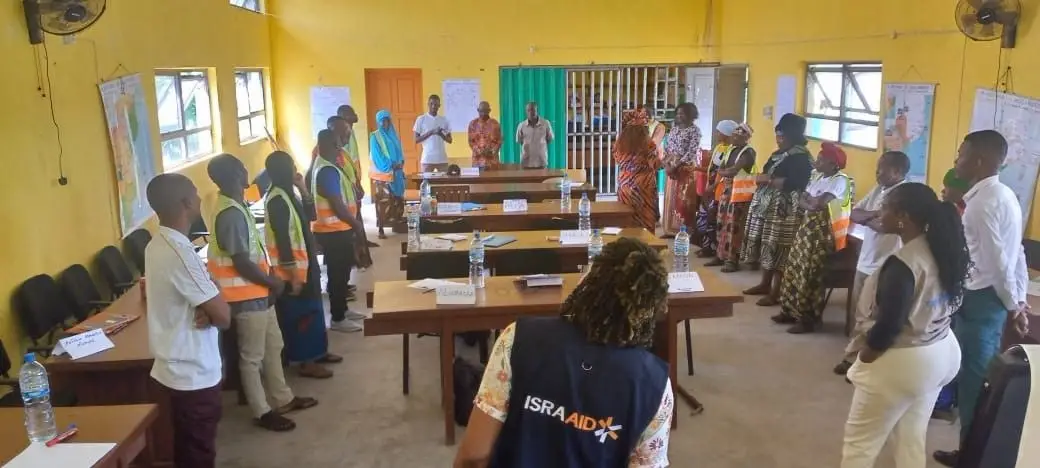
GCR implements 12 projects in Cabo Delgado, Niassa, Tete, Manica and Sofala, with a portfolio of USD 2.15 million across 13 grants. Starting that year: Tsogolo Tsicana in Tete, InPower in Sofala and the Northern Crisis Recovery Project in Palma and Mocímboa da Praia.
2024
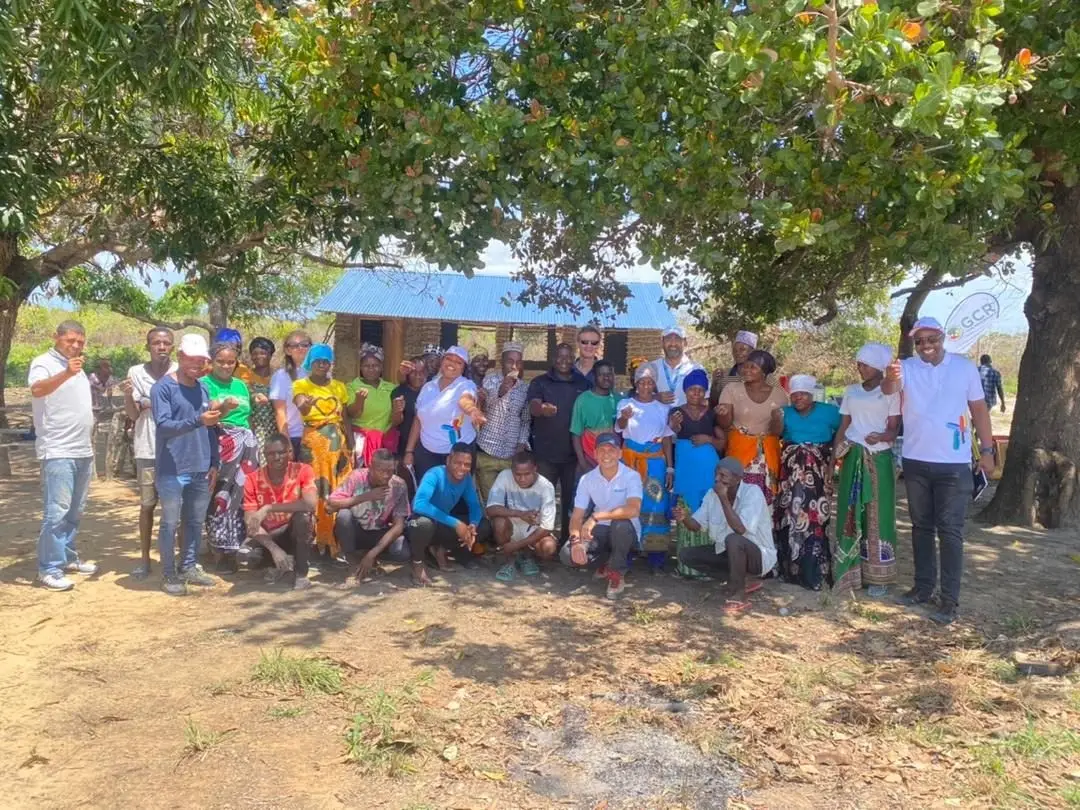
Two programmes with UNFPA begin: ResiNorte, funded by the European Union and Finland, in Cabo Delgado and Niassa (2024–2026), and Tolerância Zero (Zero Tolerance), funded by the European Union, in six districts of Manica (2024–2028).
2025
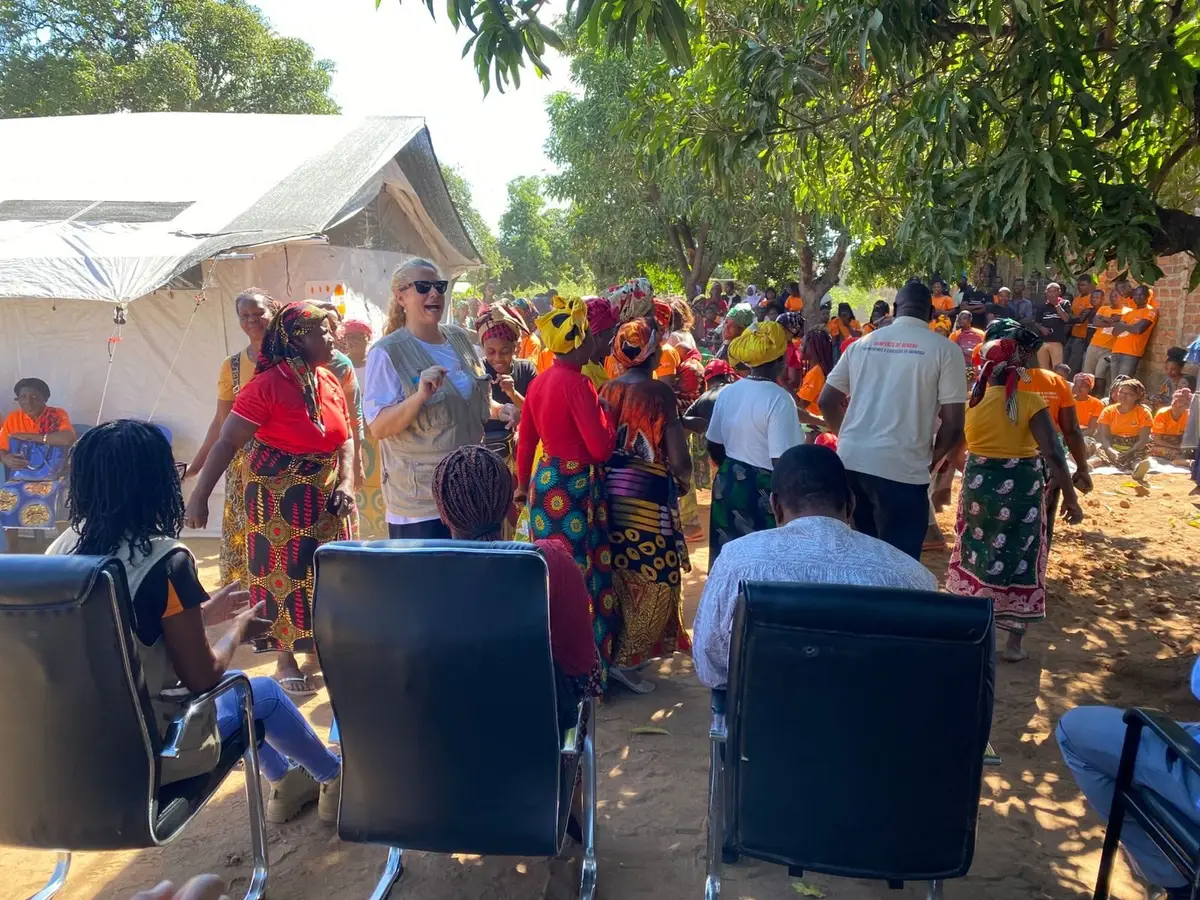
In July the Mozambique Local Humanitarian Coordination Platform (MLHCP) is established, bringing together local and national NGOs and coordinated by GCR. In December, the platform's General Assembly confirms GCR as National Convener and host of the Secretariat.
2026
GCR completes its Strategic Plan 2026–2030, “Strengthening Protection, Advancing Equity, Leading Locally”. In August, INCM, the national communications regulator, assigns it the short number 1449 for Linha Fala Sem Medo, its own line for reporting cases of gender-based violence and violence against children.
where we work
Presence as set out in the Strategic Plan 2026–2030 and the Capacity Statement 2026. Projects by area are listed under What we do.
how we work
The survivor's safety, dignity and choices guide every step. Case managers follow GBVIMS+ standards and the Child Protection Minimum Standards, explain confidentiality and its limits, and obtain informed consent before any referral. Each case is followed until safe closure.
We work with community child protection committees, activists, community and religious leaders, and safe spaces for women and girls. These structures identify risks early, refer cases and remain in place after each project ends.
Lasting change is driven by communities and national actors. We work with the District Services of Health, Women and Social Action, the Provincial Directorates of Gender, Child and Social Action, and health, police and legal aid services, and we train their staff in case management and referral.
In the north, emergency response runs alongside long-term investment: protection and psychosocial support together with vocational training, savings groups, stronger public services and dialogue between displaced and host communities.
Gender, age, disability and diversity are built into the design of every programme. We work with women and girls with disabilities and with their organisations, and all data are disaggregated by sex, age and disability.
Every case and activity is recorded in digital systems (ActivityInfo, Kobo and Power BI dashboards), with strict data-protection rules. We use our own information to decide where to strengthen prevention, staffing and referral pathways.
governance and accountability
GCR is a Mozambican civil society organisation based in Chimoio, Manica province. It is led by its Executive Director, Luisa Netsai Sekaimweshe, and has a Board of Directors that provides strategic oversight.
Pillar 5 of the Strategic Plan 2026–2030, Institutional excellence, guides investment in internal systems up to 2030: governance, financial management, human resources, monitoring and evaluation, and communication. Below we set out what is in place and what is planned.
The Strategic Plan provides for strengthening the Board's skills, diversity and engagement, setting succession plans for senior management and technical staff, and carrying out an annual assessment of organisational health.
The accounts for the 2023 and 2024 financial years received unqualified external audits. By 2030, GCR intends to invest in financial software and processes and in internal audit capacity, adopt an indirect cost recovery policy and seek multi-year funding agreements.
In March 2026, UNFPA rated GCR's capacity in protection from sexual exploitation and abuse (PSEA) as “full capacity” (8 out of 8). GCR is a verified partner on the UN Partner Portal and a member of the PSEA Network Mozambique. All staff and volunteers receive mandatory induction in gender, GBV principles, PSEA and child safeguarding, with an annual refresher.
GCR has policies on child safeguarding, PSEA, sexual harassment, code of conduct, gender, anti-fraud, data protection, procurement, finance, human resources and security. The Board-approved Gender Equality and Women's Empowerment Policy (2024) requires a gender and protection analysis at the start of every project. The Strategic Plan provides for these policies to be reviewed and updated.
Cases and activities are recorded in a GBVIMS+-aligned database (ActivityInfo), with Power BI dashboards and Kobo surveys. Sensitive data are collected only by those who provide the service and shared only under information-sharing protocols. The Strategic Plan provides for independent mid-term (2028) and final (2030) evaluations and for community feedback and complaints mechanisms in all programme areas.
By 2030, GCR intends to apply a remuneration strategy that attracts and retains qualified staff in difficult locations, support the well-being and mental health of field teams, and set up internship programmes with universities.
localisation
The Mozambique Local Humanitarian Coordination Platform (MLHCP) brings together local and national non-governmental organisations working in humanitarian response. Its purpose is for Mozambican organisations to lead the response to crises in their own communities, in line with the Grand Bargain and the IASC Humanitarian Reset (2025).
strategic plan 2026–2030