
Skip to content
Partner with us

area of work

Child protection

We work with families, schools and communities so that every child grows up protected from violence, abuse and early unions.

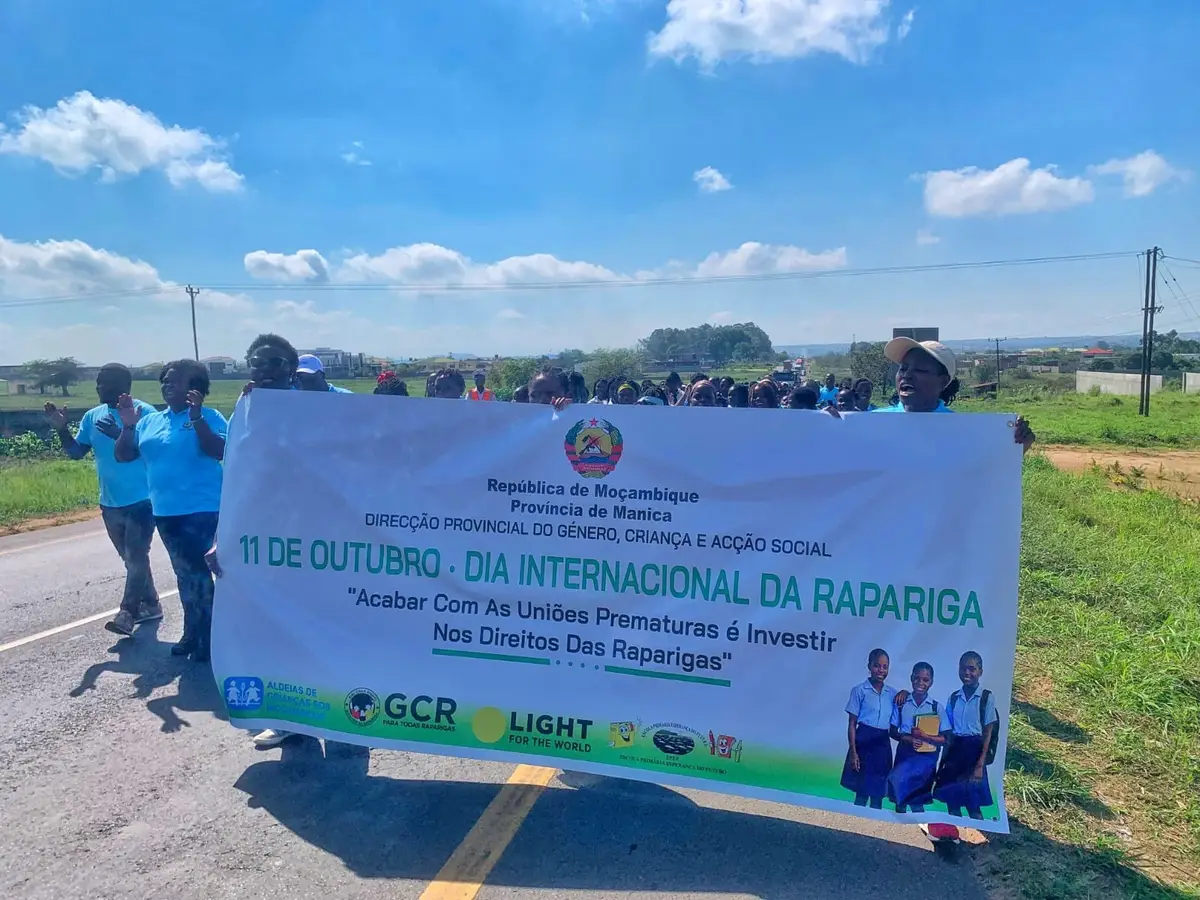
Day of the Girl march on a road, behind a banner against early unions
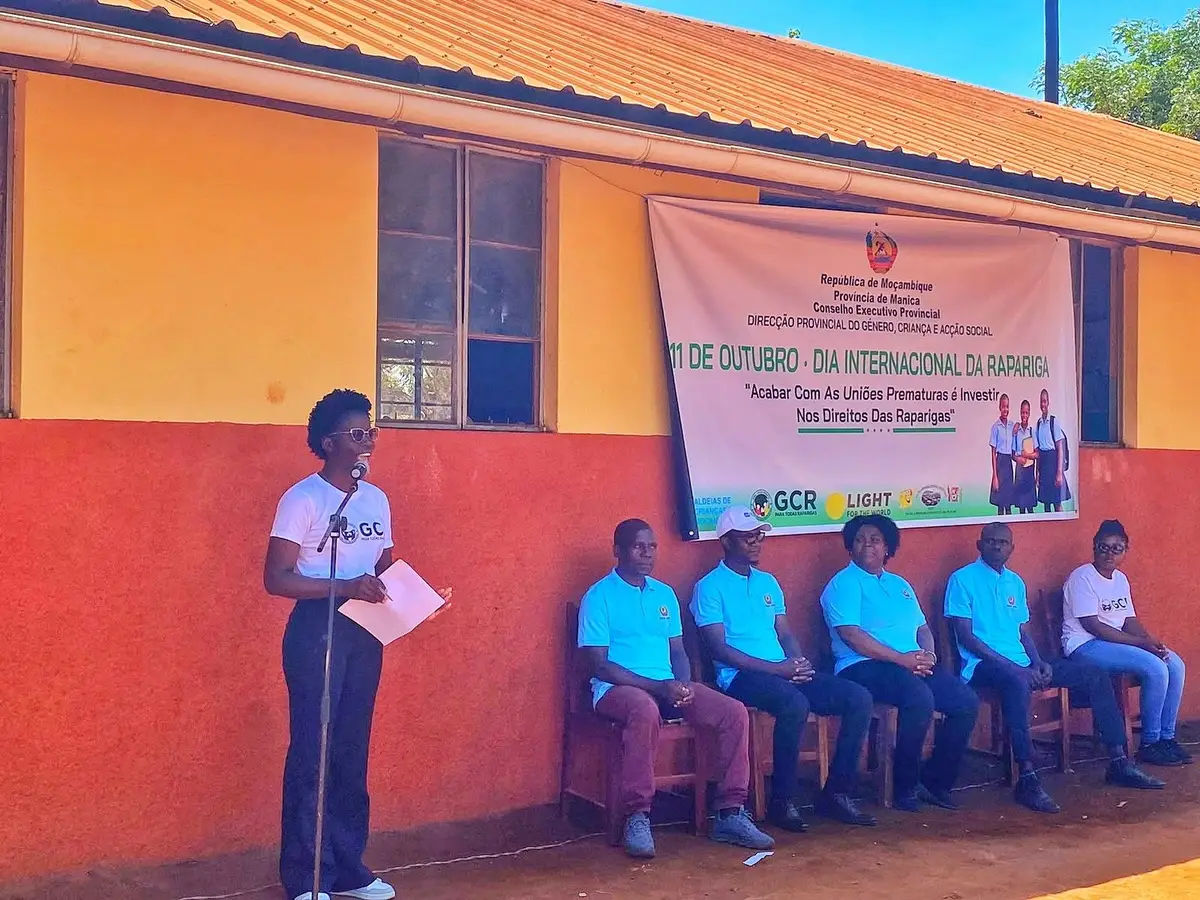
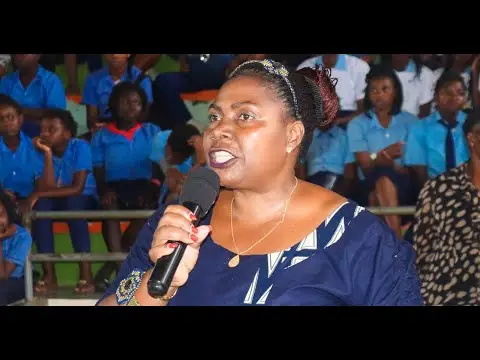
A GCR staff member speaks at a microphone in front of seated officials on the International Day of the Girl
Chimoio · October 2026

the challenge

Early unions and risks that start young

Early unions take girls out of school and expose them to violence. The Law on Preventing and Combating Early Unions (Law 19/2019) prohibits them, but the law only protects a child when the family, the school and community leaders know about it and know what to do.

In Cabo Delgado, child recruitment and sexual exploitation are among the highest protection risks, and the health and education systems remain severely affected by the conflict.

our response

Protecting children at home, at school and in the community

GCR manages child-protection cases in line with the Child Protection Minimum Standards, applying the same principles as in GBV case management: safety, confidentiality, informed consent, and referral followed through to closure.

Prevention builds on the structures that remain after projects end: community child-protection committees, school councils, teachers, and traditional and religious leaders. In schools, self-protection curricula (No Means No) give girls and boys the information and confidence to ask for help.

By 2030, the Strategic Plan provides for strengthening community child-protection committees, case management for unaccompanied and separated children and support for alternative care in the northern provinces, and formalising collaboration with UNICEF on child protection.

  1. 01

    Talk with the community

    Round tables and dialogues with parents, leaders and teachers on Law 19/2019, and radio programmes and spots on child rights and the prevention of early unions.

  2. 02

    Train protection committees

    Community child-protection committees, trained and equipped, identify and report risks in their neighbourhood and village.

  3. 03

    Prevent at school

    Teachers and school councils engaged, and curricula such as No Means No for adolescents. In displacement settings, child-friendly spaces.

  4. 04

    Manage the case

    Assessment, a plan and referral to Social Action services, the police Family and Children Victims of Violence units (GAFMVV), the prosecutor's office and health services.

  5. 05

    Follow up until the child is safe

    The case is followed until the child is safe and back in their routine, including school.

results

Results achieved

3,156

children in child-friendly spaces in Eráti and Nacarôa

May–Sep 2026

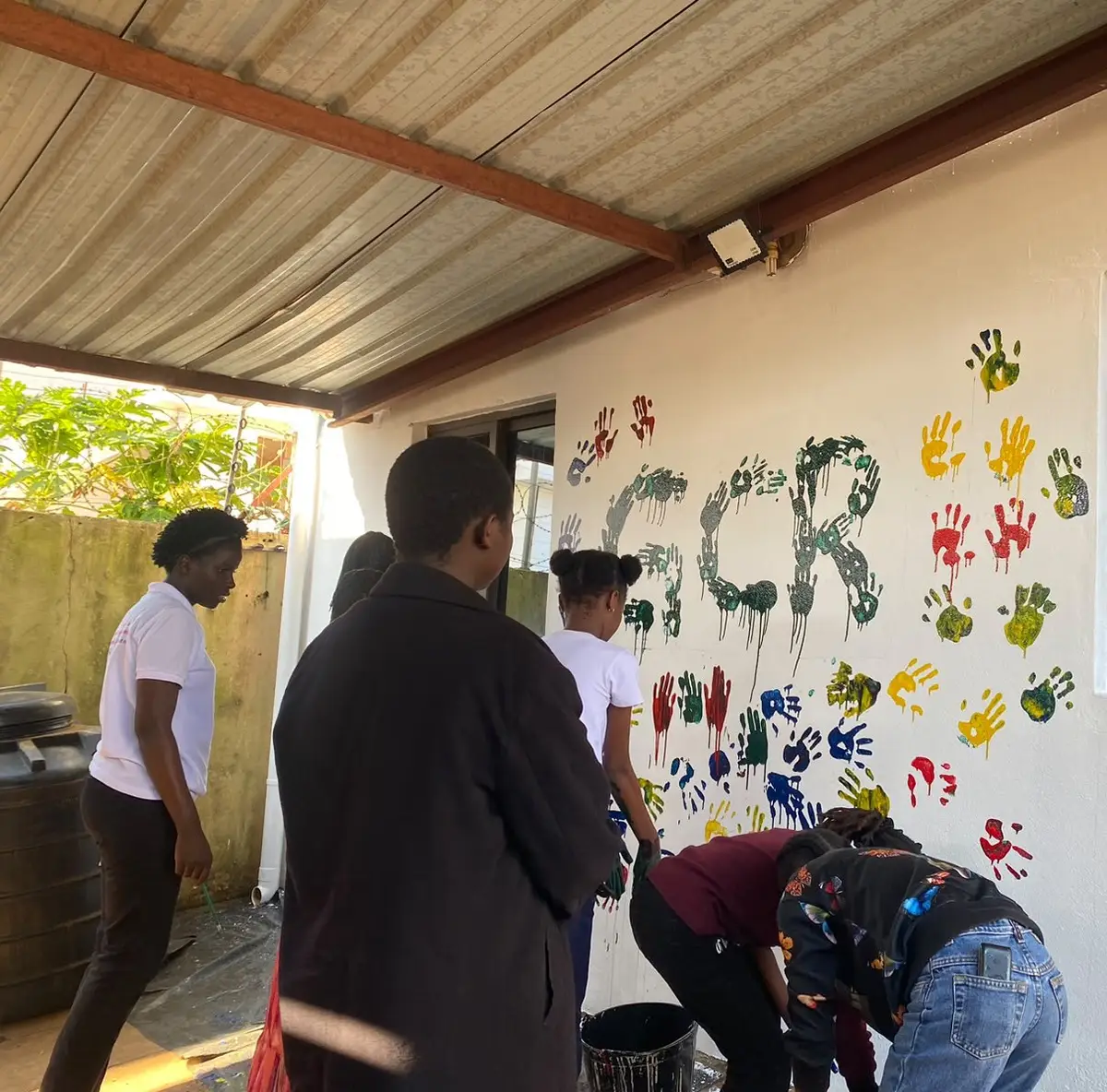
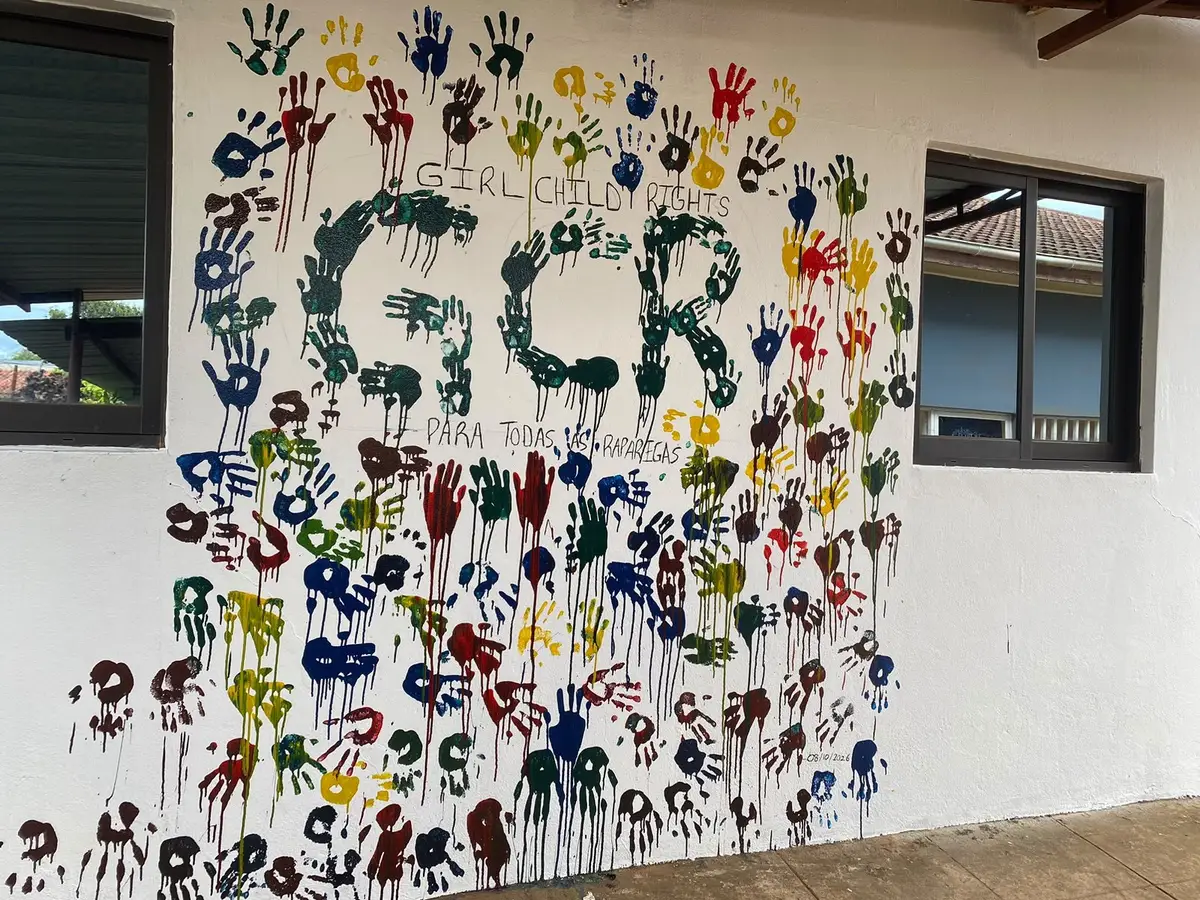
Wall covered in coloured handprints forming “GCR para todas as raparigas”

from the field

Tambara: a teacher who knows what to do

In 2023, the PEUP project brought community dialogues and round tables on early unions to Tambara and Macossa districts in Manica. Parents, leaders, teachers and protection committee members discussed what Law 19/2019 prohibits and what each of them can do when they identify a girl at risk.

At the end of one of these dialogues, a primary school teacher from Tambara summed up the commitment: “If I identify a girl in my community who has married or wants to marry before 18, I will immediately report it to the police or the prosecutor's office and follow the case to the end.”

It is a lesson the year confirmed: cases reach services when there is someone in the community who recognises the danger and knows where to turn.
Tambara, Manica

GCR office · October 2026 · Photo: GCR

projects and presence

What we have done and what we do

  • Cabo DelgadoAncuabe, Chiúre, Macomia, Mecúfi, Mocímboa da Praia, Montepuez, Mueda, Muidumbe, Nangade, Pemba
  • NampulaEráti, Meconta, Moma, Nacarôa
  • Manica (head office)Chimoio, Gondola, Guro, Machaze, Macossa, Manica, Mossurize, Sussundenga, Tambara, Vanduzi
  1. completed2019–2023

    Leave No Child Behind

    Norway (Norad), through Save the Children

    Machaze, Macossa, Manica and Tambara (Manica)

    1,762 teachers engaged, 4,110 members of school councils and child-protection committees involved, and 16,560 children active in Children's Parliaments.

  2. completedApr 2022 – Apr 2024

    PEUP – Prevention and Elimination of Early Unions

    Embassy of the Kingdom of the Netherlands, through CESC (IGUAL programme)

    Tambara and Macossa (Manica)

    In 2023, 120 members trained and equipped in four new child-protection committees, and more than 300 community members in round tables on Law 19/2019.

from the field

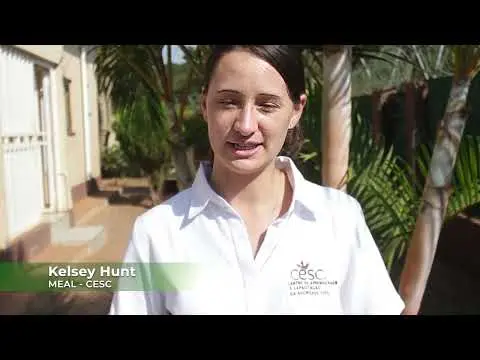
CESC and GCR against early unions

IGUAL programme.

Captions (CC) in the player, where available.

More videos from this area (2)
GCR voices from the field

Turn on subtitles (CC) in the player, where available. The video only loads from YouTube when you play it.

gallery

In the field

A GCR staff member speaks at a microphone in front of seated officials on the International Day of the Girl
Chimoio · October 2026 · Photo: GCR
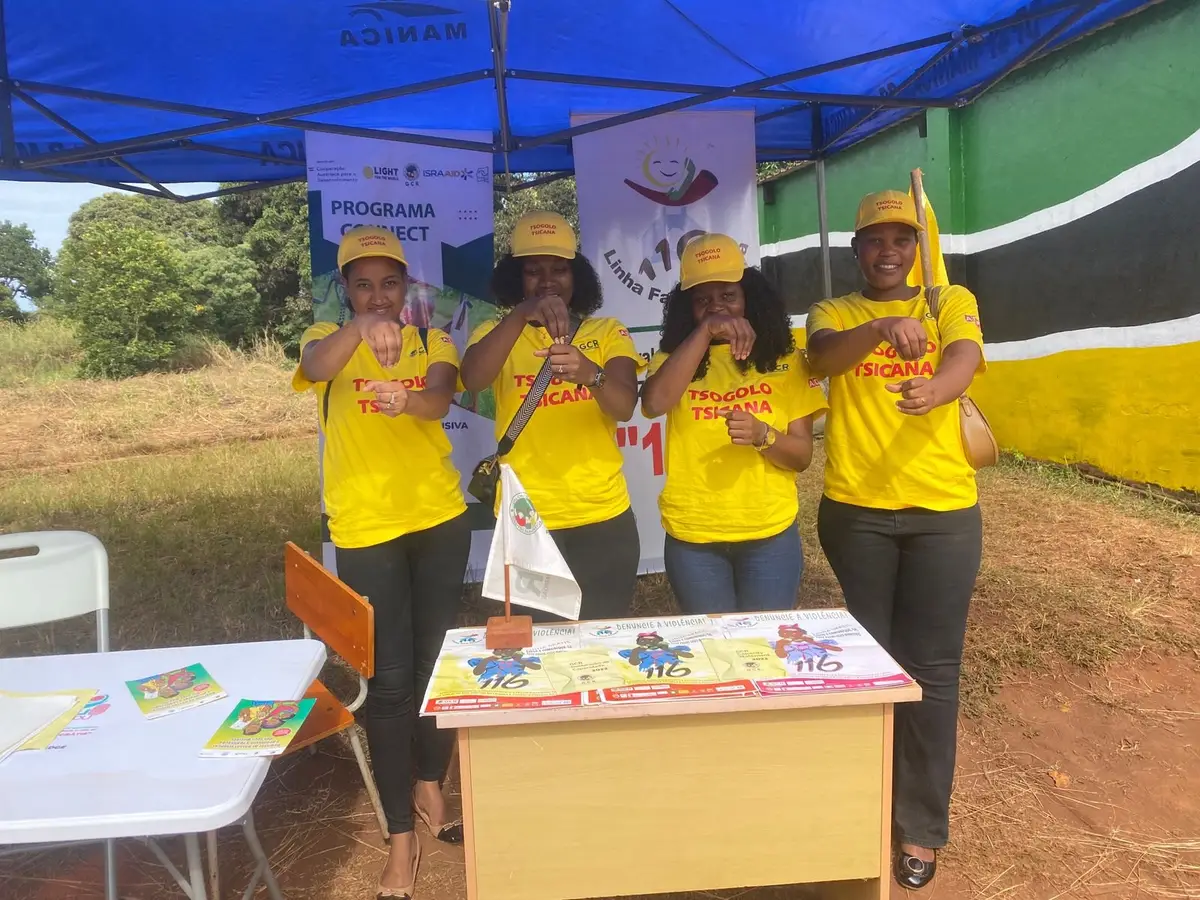
Team in Tsogolo Tsicana T-shirts at a stand with child-protection leaflets
Vandúzi, Manica · May 2025 · Photo: GCR
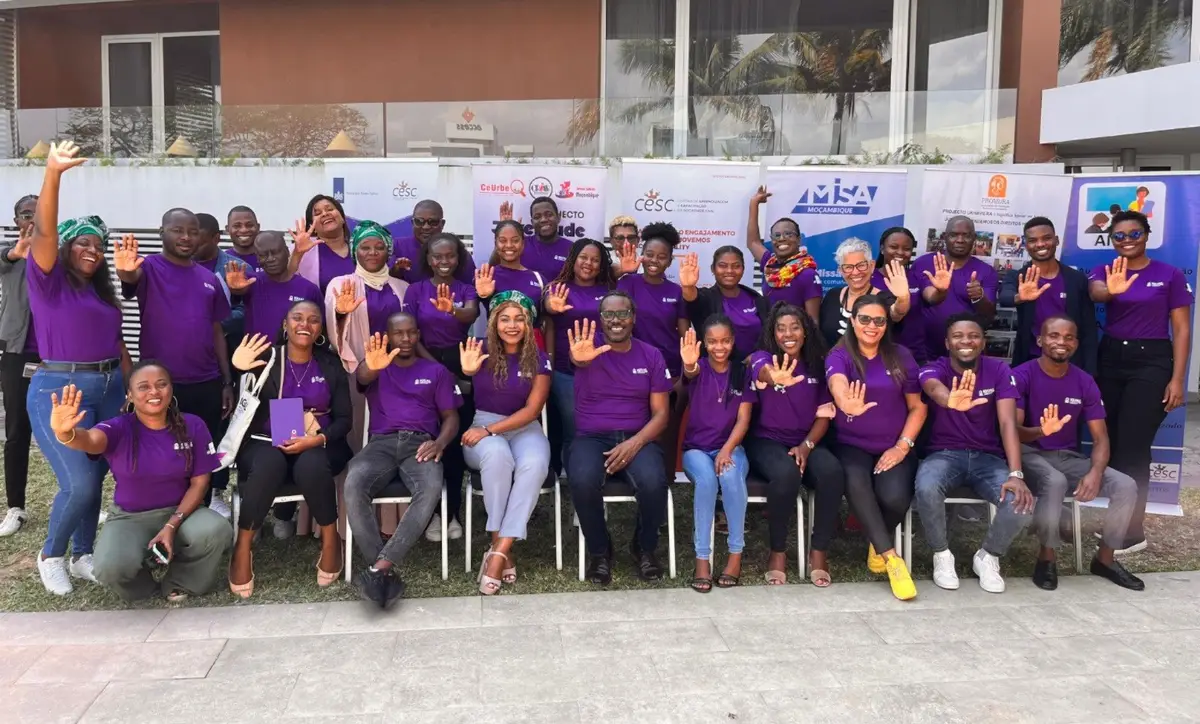
IGUAL programme partners in purple T-shirts make the “stop” hand sign in a group photo
Maputo · September 2024 · Photo: GCR
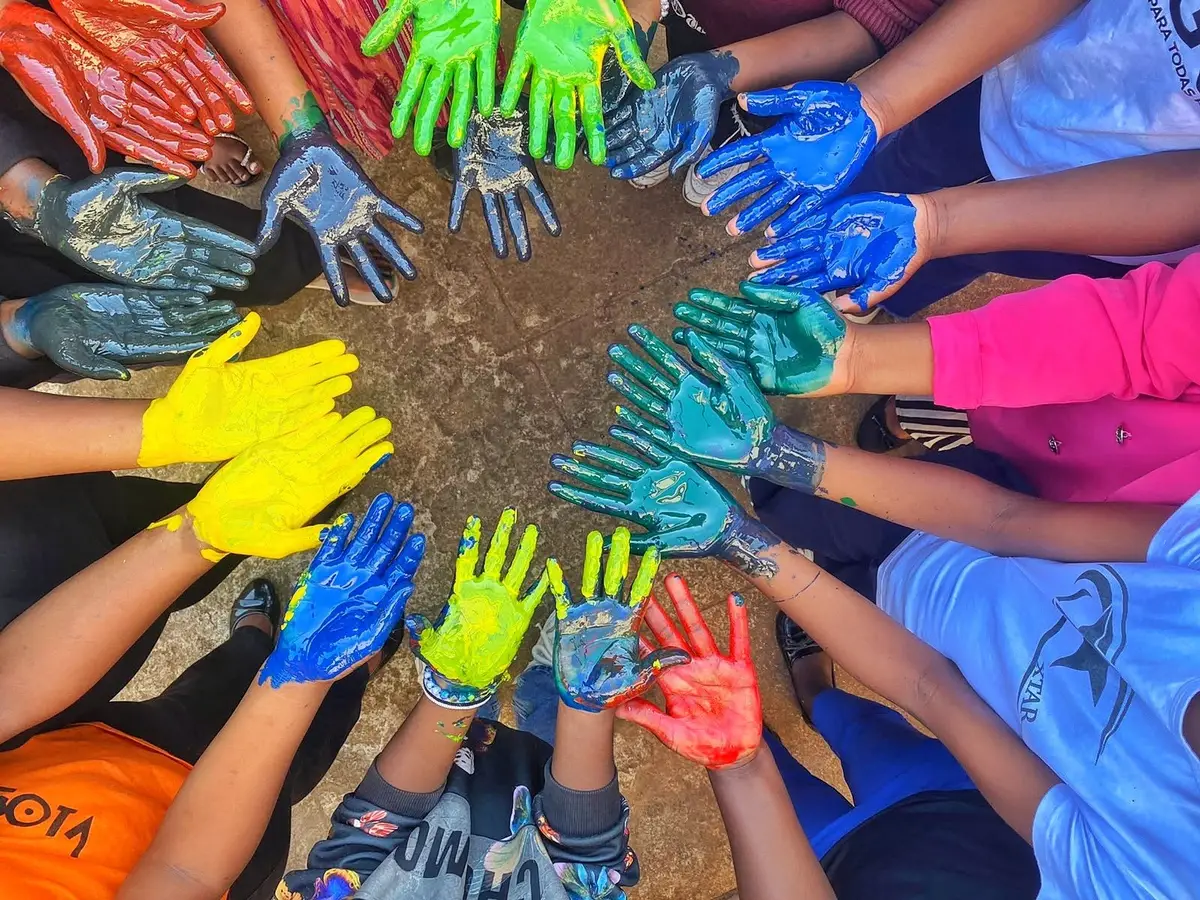
Hands painted in different colours joined in a circle, seen from above
GCR office · October 2026 · Photo: GCR
People, seen from behind, printing their hands on a wall with the letters GCR
GCR office · October 2026 · Photo: GCR
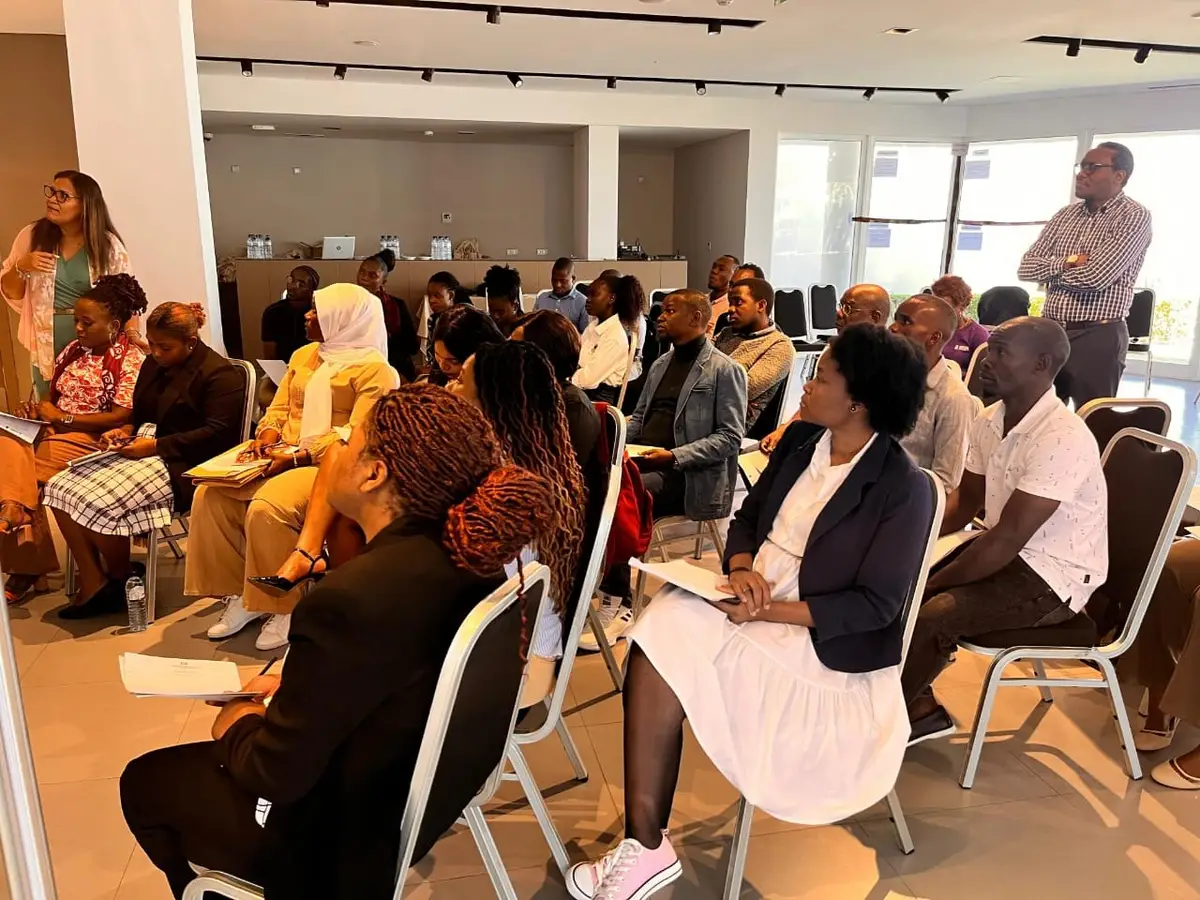
Participants seated in a room during an IGUAL programme learning event
Maputo · September 2024 · Photo: GCR

work with us

Support our work in child protection

Funders, agencies and technical partners: talk to the team about projects, data and due diligence in this area.

Contact us