
Skip to content
Partner with us

area of work

Humanitarian action and localisation

We respond to the protection needs of displaced people and lead the platform of local and national organisations (MLHCP).

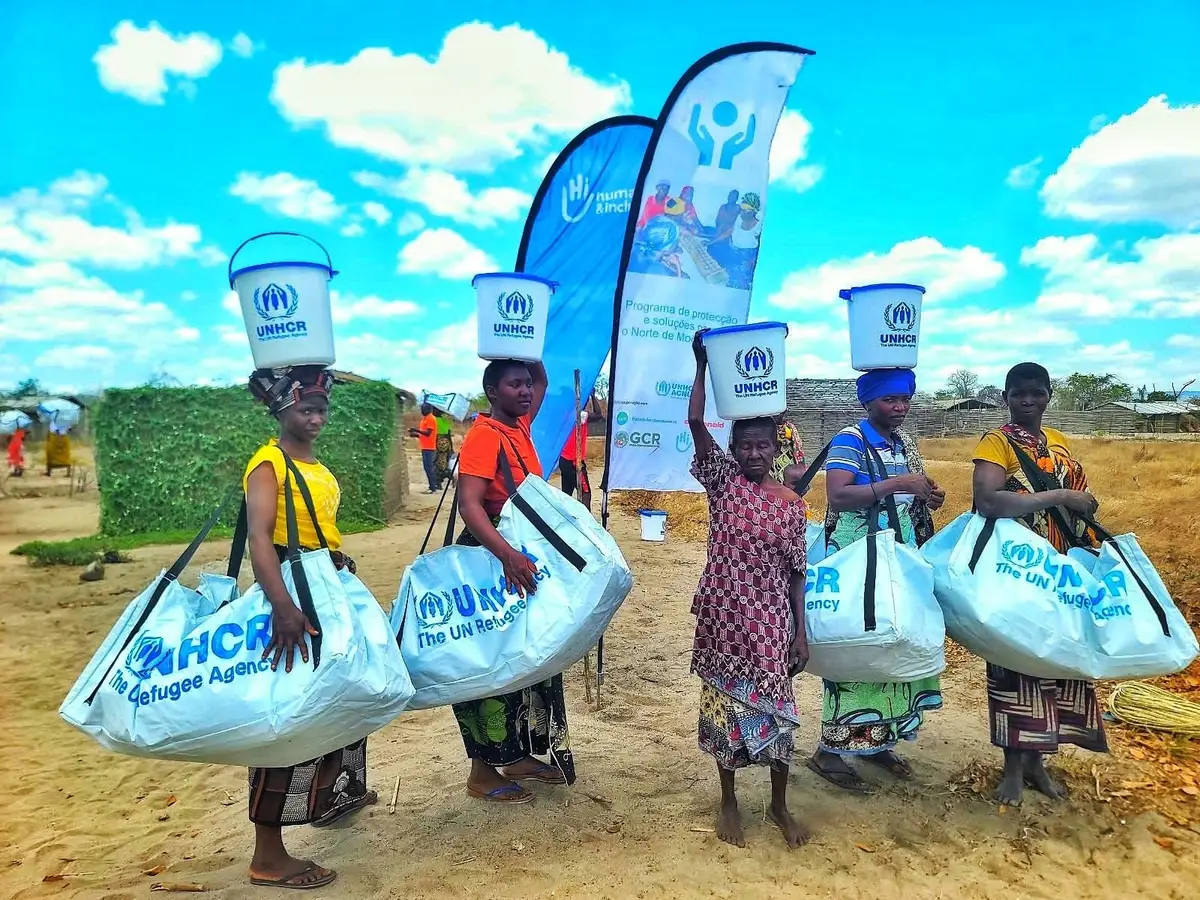
Five women carry non-food item kits at the Nonge resettlement centre
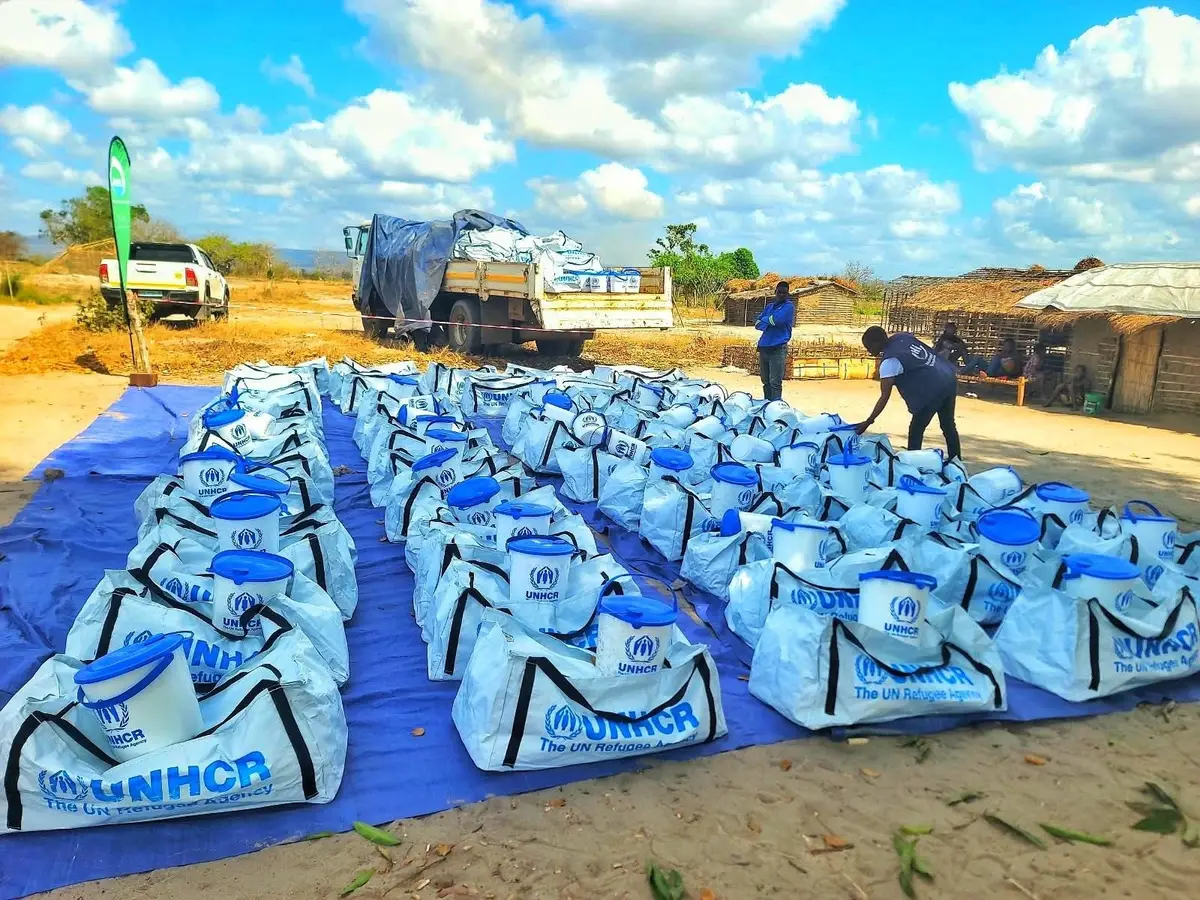
UNHCR kits lined up on tarpaulins, ready for distribution, with a lorry in the background
Nonge, Macomia · September 2026

the challenge

650K+

displaced people in northern Mozambique, mainly in Cabo Delgado

More than 650,000 people displaced in the North

In northern Mozambique, more than 650,000 people remain displaced by the armed conflict, mainly in Cabo Delgado. Even with security improvements in some districts, protection risks remain high, and access to populations is limited by insecurity and a lack of infrastructure. Displacement continues: in September 2026, families from the communities of Nova Zambézia and Litangua arrived at the Nonge resettlement centre in Macomia.

In the centre and south of the country, cyclones, floods and droughts add to structural poverty. At the same time, humanitarian funding is shrinking and the system is being reformed through the IASC Humanitarian Reset (2025). The Grand Bargain and the IASC localisation policy call for local and national organisations to lead the response.

our response

Responding on the ground and strengthening those who stay

Since 2021, GCR has worked in conflict-affected districts of Cabo Delgado on GBV prevention and response, safe spaces, distribution of dignity kits and non-food items, and economic recovery. Where insecurity cuts off access, case management is carried out by phone and by mobile teams.

GCR is an active partner of the Protection Cluster in Cabo Delgado, with regular 5W reporting, and takes part in the GBV Sub-Cluster, the Child Protection Area of Responsibility and the Mental Health and Psychosocial Support Working Group. In resettlement centres, it works with the district services and protects data: information about violence is kept out of the beneficiary lists shared with those services.

GCR is the National Convener of the Mozambique Local Humanitarian Coordination Platform (MLHCP), which brings together local and national humanitarian organisations, and hosts its Secretariat, a mandate confirmed by the General Assembly in December 2025. By 2030, the Strategic Plan provides for a due diligence readiness programme for members, 65 members with a profile on the UN Partner Portal and 10 local co-leads in clusters and working groups.

  1. 01

    Assess and register

    With the district services (SDSMAS, and SDPI, the district planning and infrastructure services) and consortium partners, identifying newly displaced families and the people most at risk: children, people with disabilities, women and pregnant women.

  2. 02

    Distribute

    Dignity kits, hygiene materials and non-food items, with post-distribution monitoring for accountability to affected people.

  3. 03

    Protect

    Safe spaces, community activists in displacement sites and GBV case management, mobile or by phone where access is difficult.

  4. 04

    Coordinate

    Participation in protection clusters and sub-clusters, with 5W reports and case data aligned with GBVIMS+.

  5. 05

    Lead locally

    Through the MLHCP, collective representation of national organisations in humanitarian coordination and strengthening of their institutional capacity.

results

Results achieved

68,444

people reached with GBV prevention and response in Mueda, Palma and Mocímboa da Praia

2025

184

newly displaced households received non-food item kits in Nonge, Macomia

Sep 2026

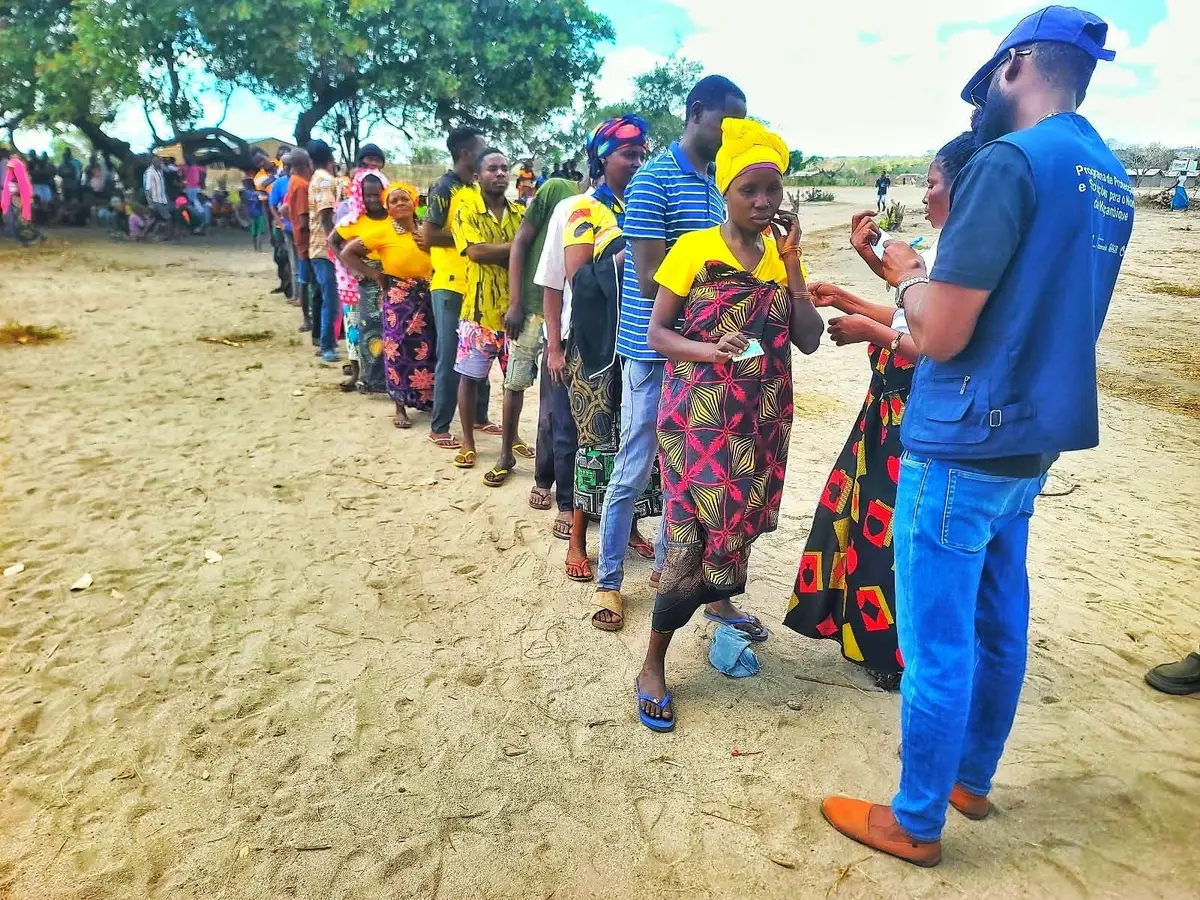
Consortium team member in a high-visibility vest checks a line of women during the distribution

from the field

Nonge: support for newly arrived families

On 18 September 2026, at the Nonge resettlement centre in the Chai community (Macomia), the consortium of AVSI, GCR, Humanity & Inclusion and ActionAid distributed non-food item kits to families newly displaced from the communities of Nova Zambézia and Litangua. The distribution was part of the Protection and Solutions Programme for Northern Mozambique, funded by UNHCR.

Staff from the district services (SDSMAS and SDPI) monitored the distribution with the consortium teams. The Government asked for support to displaced families to continue and recommended special attention to children, people with disabilities, women and pregnant women.
Nonge, Chai, Macomia (Cabo Delgado)

Nonge, Macomia · September 2026 · Photo: GCR

projects and presence

What we have done and what we do

  • Cabo DelgadoAncuabe, Chiúre, Macomia, Mecúfi, Mocímboa da Praia, Montepuez, Mueda, Muidumbe, Nangade, Pemba
  • NampulaEráti, Meconta, Moma, Nacarôa
  • NiassaCuamba, Marrupa, Mecula
  • Manica (head office)Chimoio, Gondola, Guro, Machaze, Macossa, Manica, Mossurize, Sussundenga, Tambara, Vanduzi
  • SofalaBeira, Búzi, Dondo, Gorongosa, Nhamatanda

National scope: as National Convener of the MLHCP, GCR coordinates local and national organisations across the country.

  1. ongoing2026

    Protection and Solutions Programme for Northern Mozambique (GBV component)

    UNHCR, through AVSI (consortium with Humanity & Inclusion and ActionAid)

    8 districts of Cabo Delgado

    GCR leads the consortium's GBV component: case management, safe spaces and community activists in displacement sites.

  2. ongoing2024–2026

    ResiNorte

    UNFPA, with funding from the European Union and Finland

    Mocímboa da Praia and Nangade (Cabo Delgado); Marrupa, Mecula, Cuamba and Lichinga (Niassa)

    By December 2025, 1,280 dignity kits distributed; in June 2025, a new safe space opened in Cuamba.

  3. ongoingMandate confirmed in Dec 2025

    MLHCP Secretariat

    Save the Children and Street Child (seed funding)

    National

  4. completedJan–Dec 2025

    GBV prevention and response

    UNHCR (direct)

    Mueda, Palma and Mocímboa da Praia (Cabo Delgado)

    In September and October 2025, 1,691 people took part in activities in the safe spaces.

  5. completed2023

    COVID-19 response and women's economic empowerment

    UN Women, with funding from the Embassy of Japan

    Metuge and Ancuabe resettlement centres (Cabo Delgado)

    717 people vaccinated against COVID-19, 68% of them women and girls, after community leaders helped address people's fears.

from the field

Recovery from the crisis in Cabo Delgado

Northern Crisis Recovery Project (NCRP), funded by the World Bank through UNOPS, in Palma and Mocímboa da Praia.

Captions (CC) in the player, where available.

More videos from this area (2)
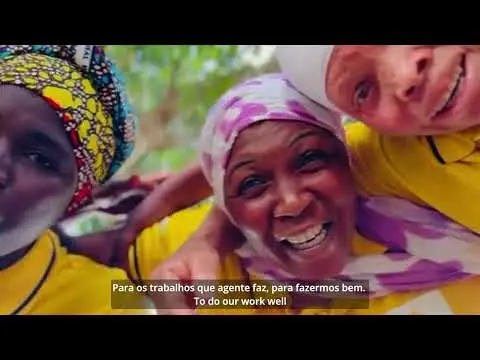
GCR voices from the field

Turn on subtitles (CC) in the player, where available. The video only loads from YouTube when you play it.

gallery

In the field

UNHCR kits lined up on tarpaulins, ready for distribution, with a lorry in the background
Nonge, Macomia · September 2026 · Photo: GCR
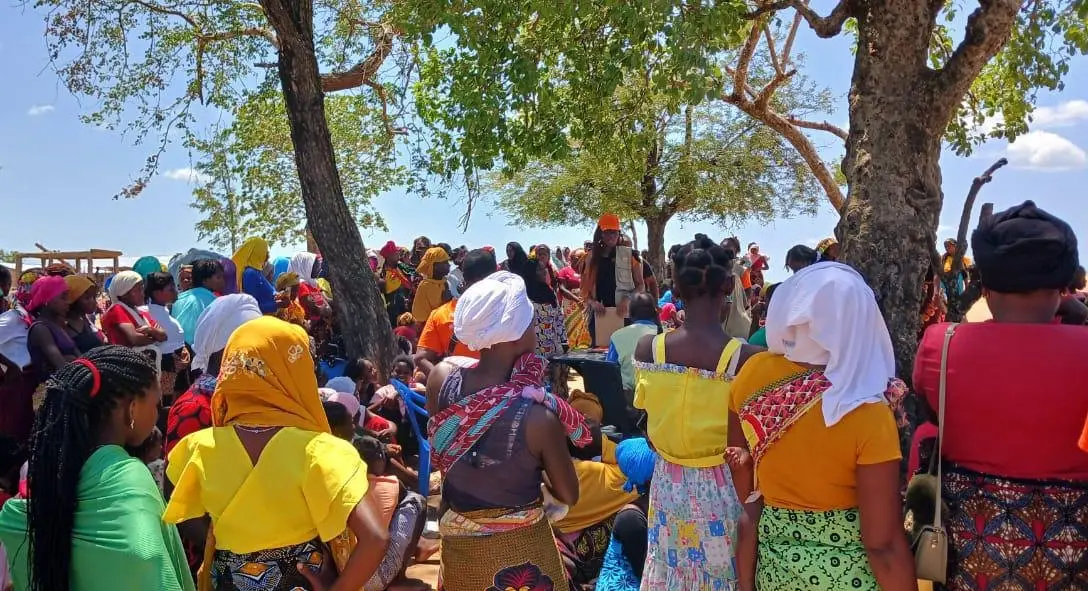
Crowd of women under trees, seen from behind, during a dignity kit distribution
Mieze, Metuge · January 2025 · Photo: GCR
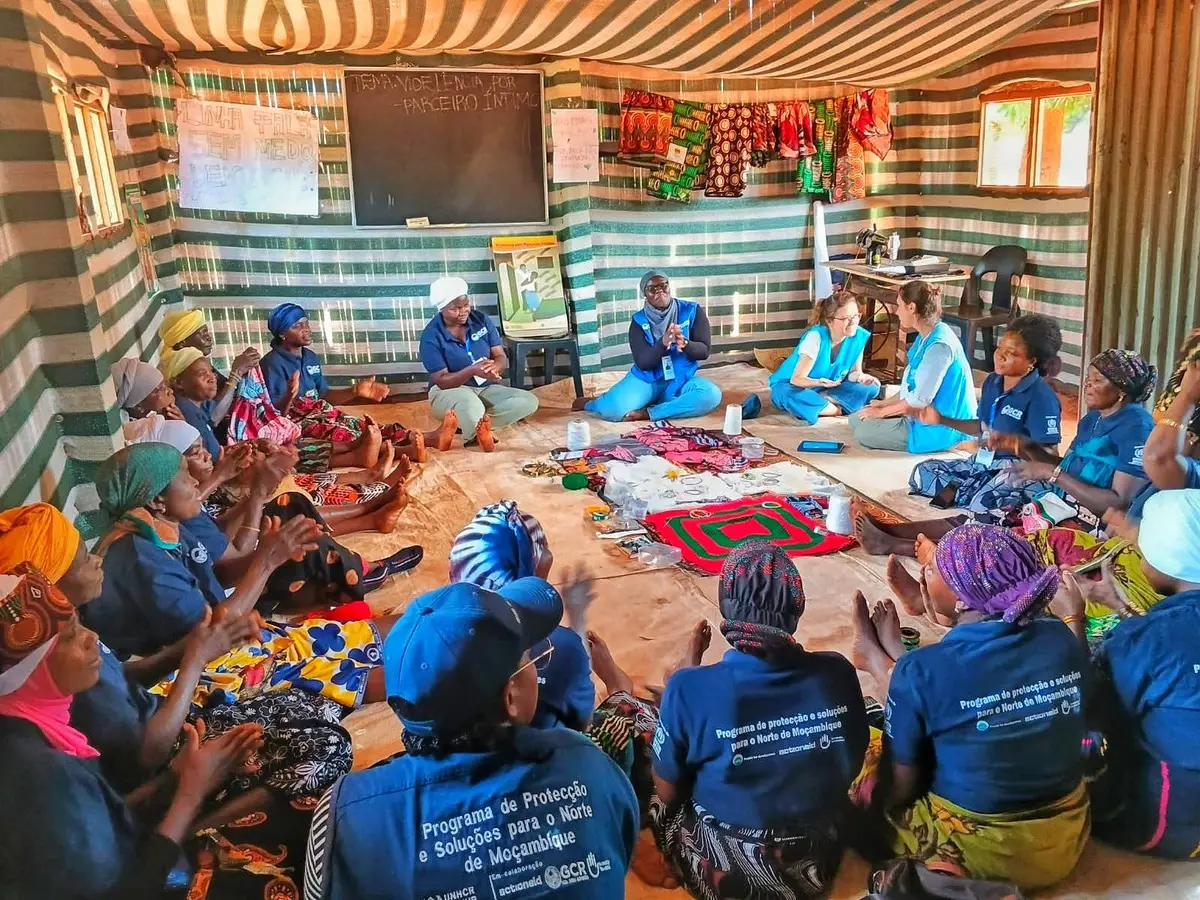
Women seated in a circle inside a safe-space tent, with crafts on the floor
Nanjua, Ancuabe · September 2026 · Photo: GCR
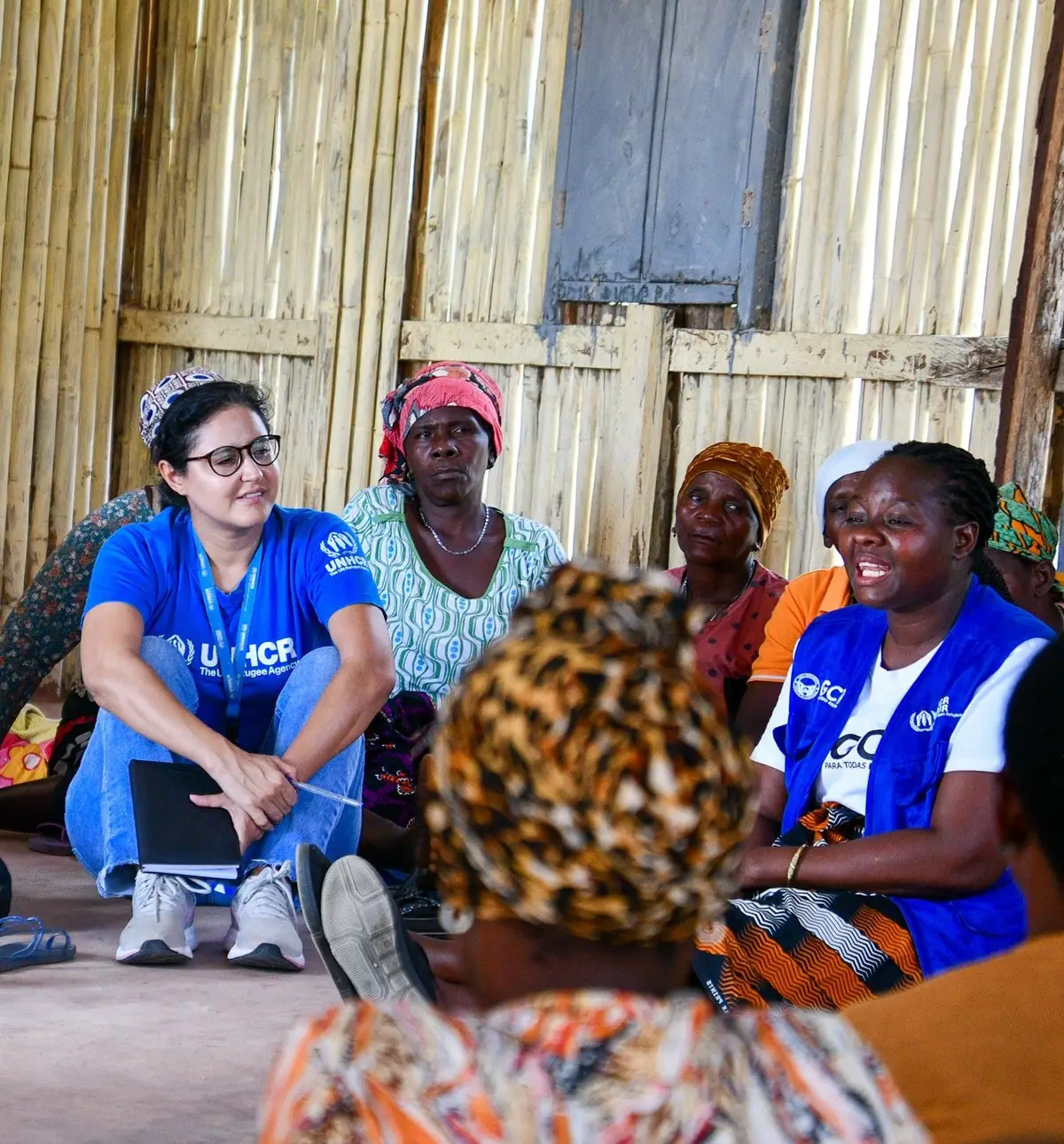
UNHCR visitors and GCR staff sitting in a circle with women from a safe space
Mueda · Photo: GCR
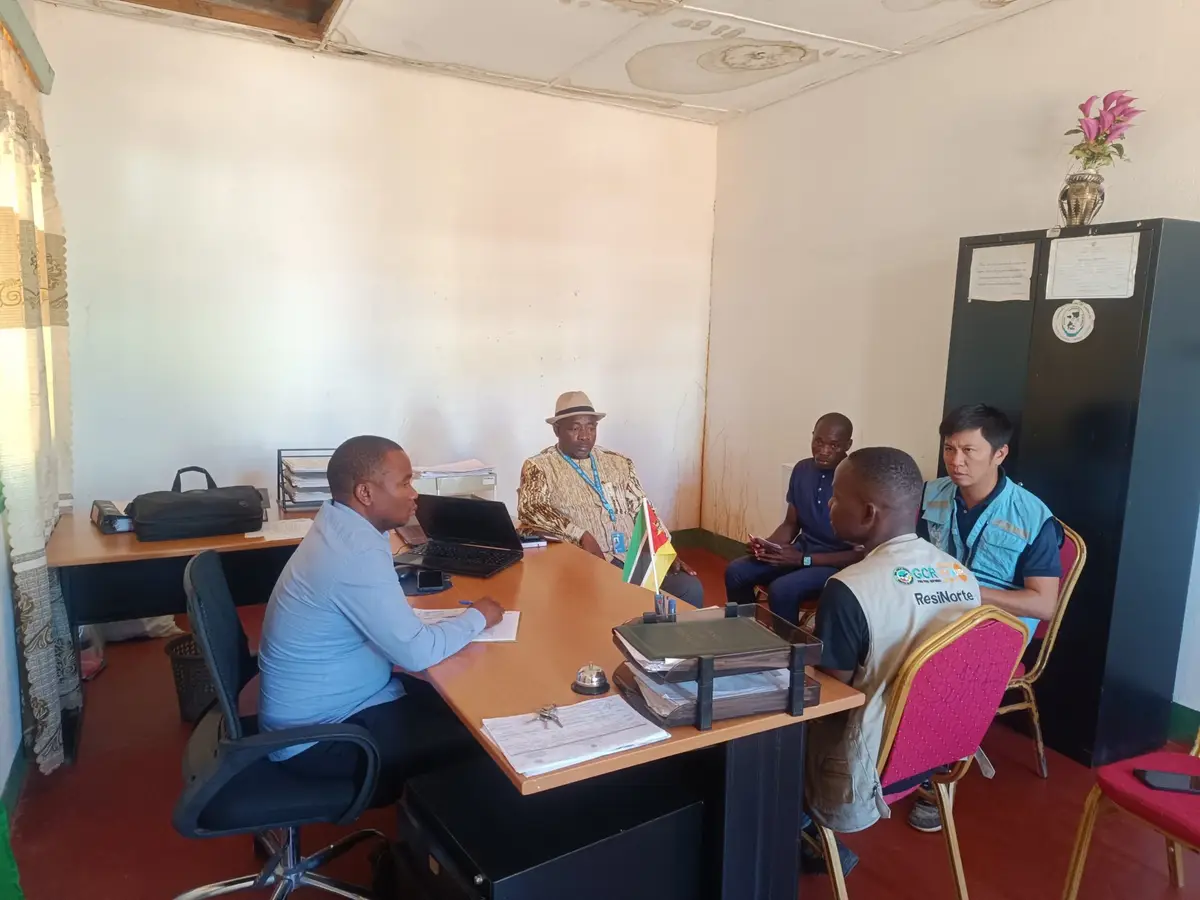
Meeting in a district office with OCHA, GCR and local officials
Mecula · May 2025 · Photo: GCR
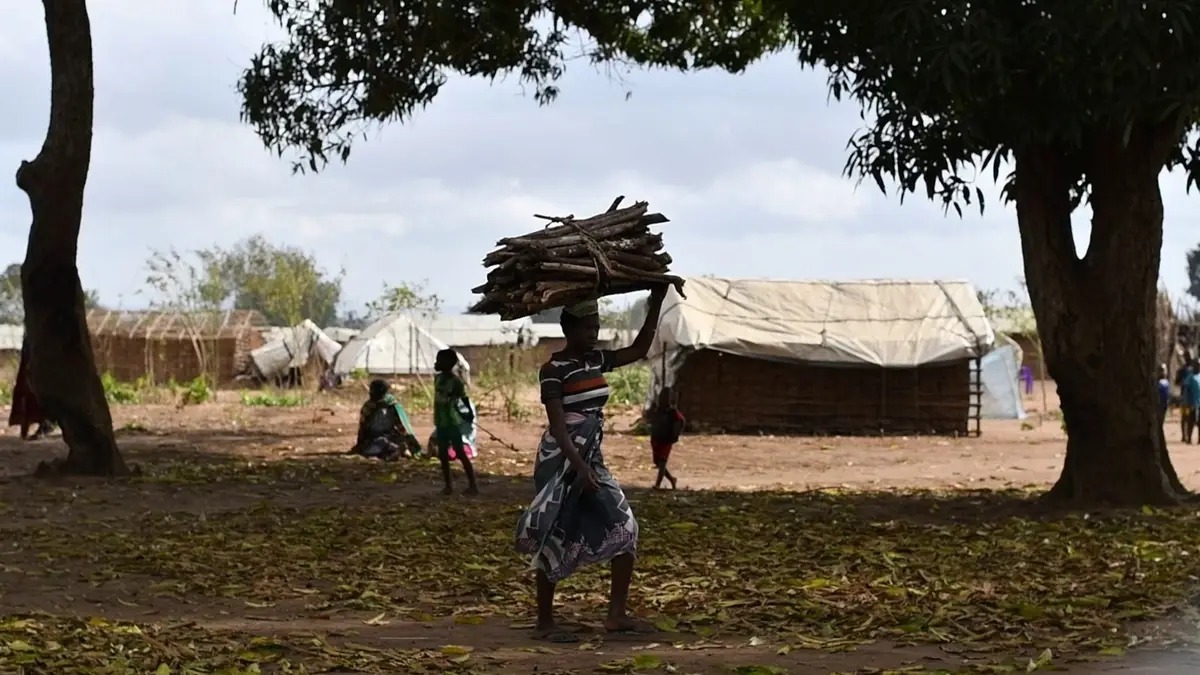
A woman, seen from a distance, carries firewood on her head beside tents at a displacement site
Cabo Delgado · Photo: GCR

work with us

Support our work in humanitarian action and localisation

Funders, agencies and technical partners: talk to the team about projects, data and due diligence in this area.

Contact us